How to start a print on demand business? Pick a niche, create simple designs, use a POD supplier, add strong mockups, and sell on Etsy or Shopify.
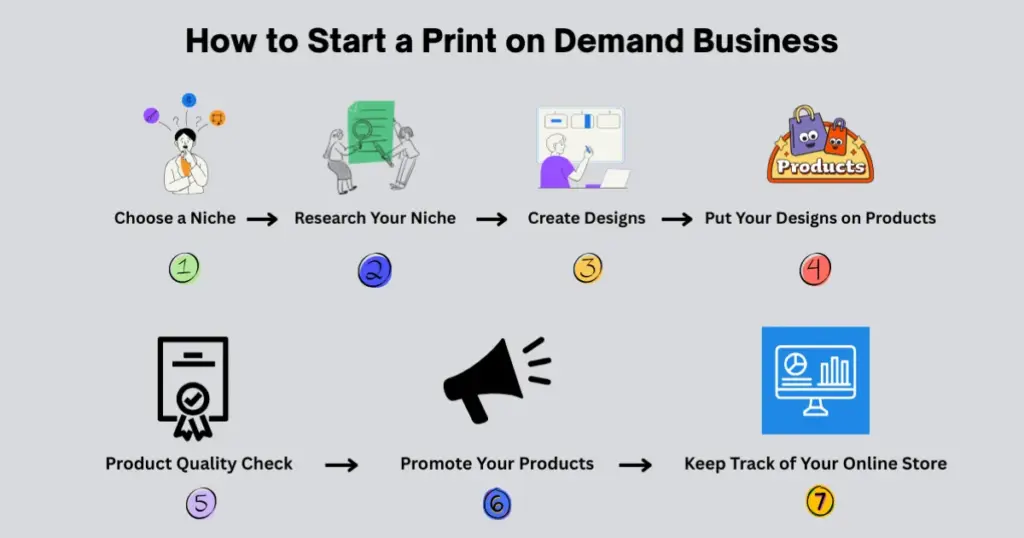
Success comes from reliable suppliers, original designs, and careful testing. There are no secret tricks. Let’s talk step by step now so there’s no confusion about how to start a successful print-on-demand business.
Print-on-demand, or POD, is simple at its core. You create a design with a quote or a visual. That design goes on products like T-shirts, hoodies, mugs, wall art, jewellery or accessories. A customer places an order. Your POD partner prints the item, ships it, and manages the full delivery.
You earn by keeping the gap between your selling price and the base cost. There is no need to buy stock in advance. There is no packing work. There are no trips to the post office.
You can keep it casual and design it for friends or family. Or you can scale it up into a serious side business, even a full-time venture.
If you try to sell to everyone, you often end up connecting with no one.
Unlike big brands such as Coca-Cola, you do not have a massive ad budget. That makes focus essential. You need a group of people who truly care about a shared interest or idea.
The easiest place to start is your own life. Think about how you spend your free time. Notice the hobbies you watch on YouTube. Recall the memes that make you laugh because they feel uncomfortably true.
You do not have to choose a hobby you already follow, but doing so reduces the time it takes to understand the audience. If you pick a niche that is new to you, be ready to dig deeper and learn faster. Research becomes your biggest ally.
Here is a step-by-step guide on how to start a print on demand business.
You can’t market to everyone. Most budgets simply don’t allow it. When you try to sell to all, your message loses focus. In the end, it reaches no one.
That is why a niche matters. A niche is a specific group of people united by a shared interest or identity. It could be drummers, cat lovers, anime gym fans, minimal animal art lovers, or communities like gamers, nurses, teachers, and dog parents.

Choosing the right niche often starts with looking inward. Think about what you enjoy. Maybe you play an instrument. Maybe fitness, gaming, books, cars, or pets are part of your daily life. Your work and lifestyle also count. Your job, your routines, and your stage of life shape how you see the world.
When you know an audience from the inside, communication becomes easier. You understand their humour. You relate to their problems. You recognise what they dream about. That connection shows in your message.
You can still pick a niche you are unfamiliar with. But it comes with extra effort. You will need deeper research. And there is always the risk of missing the tone, the culture, or the unwritten rules of that community.
Strong research is what turns ordinary designs into steady sellers. If you don’t know your audience well, start by listening to where they already speak freely.
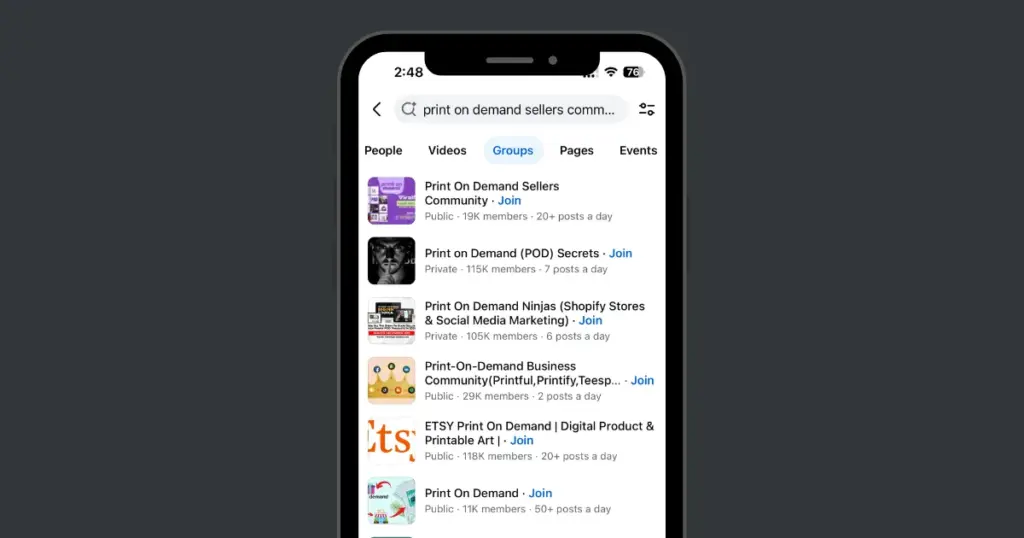
Communities on Facebook, especially private groups, reveal real opinions. People joke, complain, praise, and argue without filters. Their words tell you what they love and what irritates them.
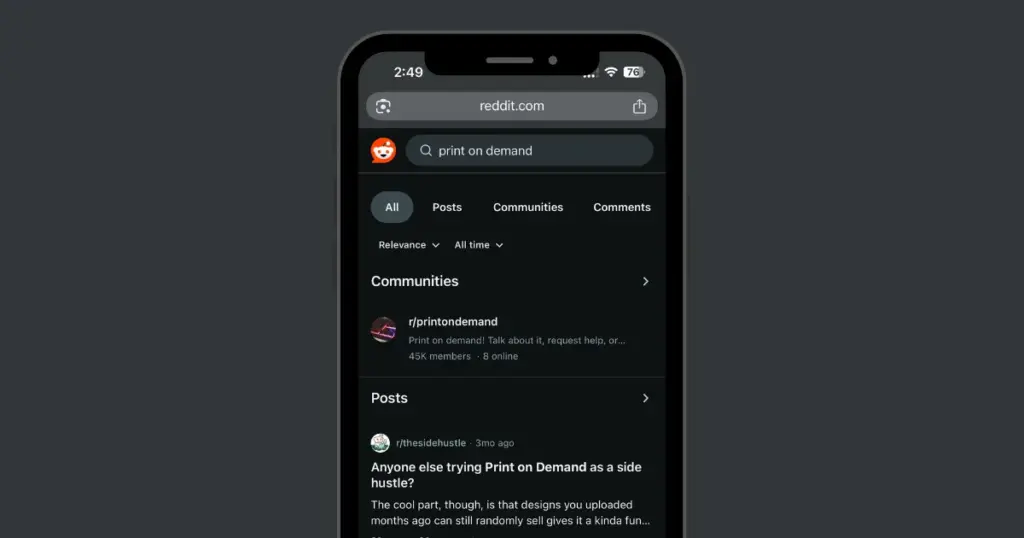
Reddit and niche forums offer the same honesty. Popular posts, comments, and memes show shared struggles, small wins, and inside humour. These platforms clearly highlight pain points and proud moments.
Blogs and online magazines also help. The headlines grab attention. The comments reveal emotion. Together, they offer ready-made language you can adapt for designs.
Online stores are another strong signal. Bestselling products show what messages connect and what styles buyers prefer. Trends appear when you look closely.
Many successful sellers spend only one or two weeks on research. It feels slow at first. But it saves time later and leads to designs that sell more consistently.
Most people stumble at this stage. They chase trending T-shirts. They lean on overused lines.
In print-on-demand, simple usually wins. A strong line paired with minimal graphics often works better than busy artwork. It is easy to read. Easy to remember.
Focus on emotions that connect quickly. Pride works well, like wearing a personal badge of honour. Belonging hits home when a design feels exclusive to a group. Humor draws attention. Loyalty, whether to a profession, a hobby, or even a pet, builds instant attachment.
Don’t type “funny cat shirt” and copy the top result. That rarely works and can land you in legal trouble.
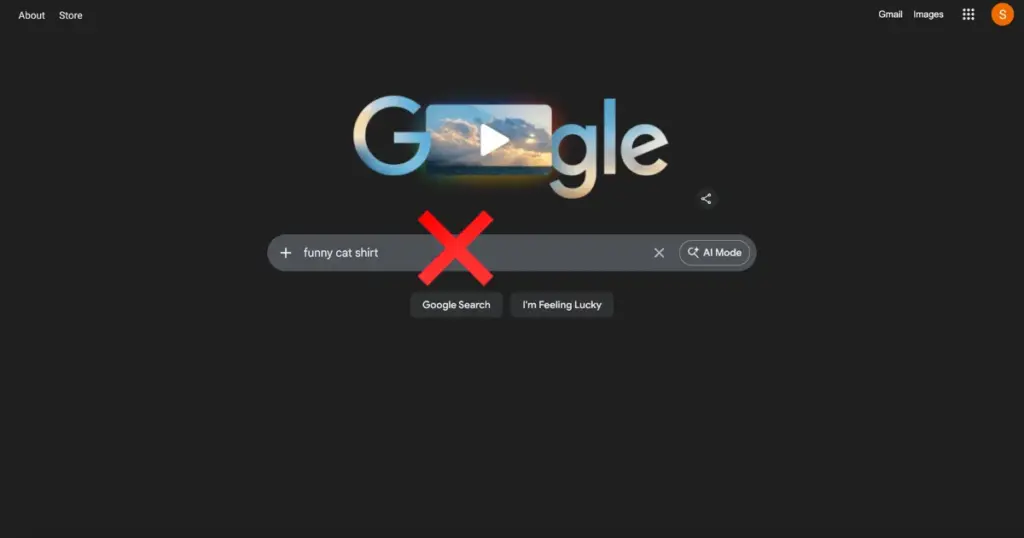
First, settle on a clear niche. Say drummers. Then look at a totally different space, like cats. Search for cat T-shirts and read the lines printed on them.
Now comes the real work. Take the print-on-demand design idea behind the line, not the words themselves, and reshape it for drummers.
For example, a cat shirt may say, “Cats make me happy, you not so much.” A drum version could be, “Drumming makes me happy, you not so much.” The thought stays. The wording changes.
Many successful POD sellers spend their time on ideas, research, and marketing, and leave the design work to professionals. They hire designers to turn simple concepts into sale-ready artwork. These designers are often found on specialist freelance sites or large global platforms.

While hiring, look for someone who understands print on demand, has a strong portfolio of apparel or merchandise designs, and knows what works in markets like the US or the UK, if that’s your focus. Then, put your design on a mockup generator for previews.
Instead of doing everything manually, you can use Mockey AI to generate product mockups quickly.
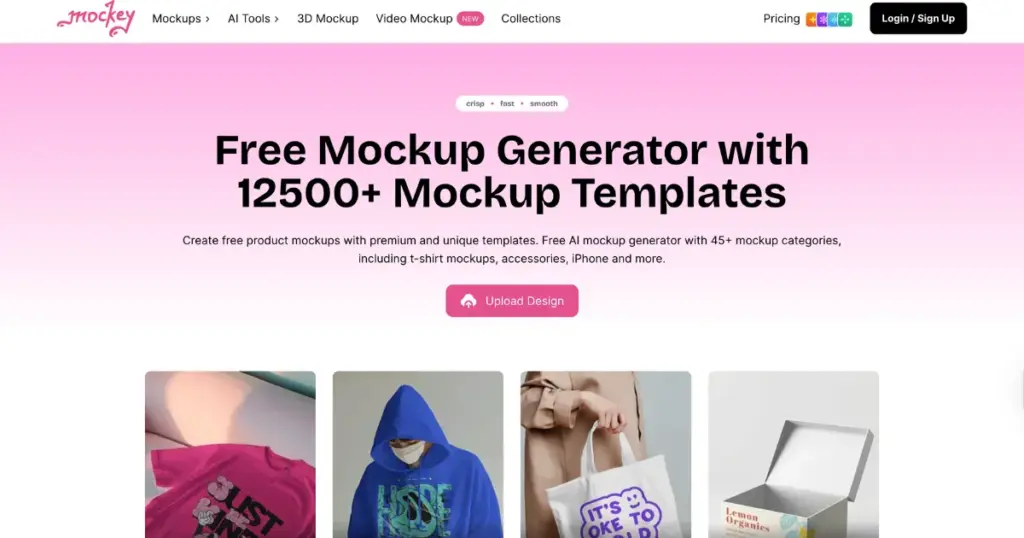
Mockey AI allows you to upload your design and place it on ready-made product templates, and create mockups for apparel, mugs, packaging, devices, and more. Download mockups without watermarks, even on the free plan. The standout features include:
Here’s the real beauty of print on demand. You don’t touch the product unless you choose to order a sample yourself. The fulfillment partner stores your designs, prints each order only after a sale, and ships it straight to the customer. On some of the best print on demand sites, they even handle customer support. Simple. Efficient. Built for scale.
There are two clear routes to sell in print on demand.
Option A – Third-party POD Platforms
The first is using third-party POD platforms. These are ready-made marketplaces like GearLaunch, Blinkstore AI, Viralstyle, Printify, Printful, and the early player, Teespring.
The process is simple. You upload your design. You create a product page. You decide the price, colors, and product details. Once a buyer places an order, the platform steps in. It collects the payment, deducts the base cost and shipping, and then sends you the remaining profit.
| Pros | Cons |
| Easy to start | You don’t control branding |
| No need to build a full store | Customers remember the platform, not your brand |
| Good for testing designs | Less control over the customer email list |
Option B – Your Own Store (Shopify, WooCommerce, etc.)
Most long-term sellers eventually build their own online store. Many shift to Shopify and connect it with print-on-demand apps such as Printify, CustomCat, Teelaunch, or ShineOn. BigCommerce is another website builder option worth considering, with support for print-on-demand integrations.
| Pros | Cons |
| You own the brand | You handle customer service |
| You collect customer emails | You pay for apps, themes, and sometimes developers |
| More control over pricing, upsells, and experience | You must bring your own traffic |
Good products bring customers back. A strong start begins with the right print-on-demand partner who meets strict quality standards.

Try Blinkstore AI. The result is consistent output and quick delivery.
No traffic means no sales. It’s that simple. Everything depends on how people reach you. From here, the journey usually moves in one of two clear directions.
Organic traffic works best when money is tight. It suits those starting with no budget. It also rewards people who stay patient, show up every day, and play the long game.
Examples:
The original poster relies on Facebook ads and Instagram ads to test designs fast. An image ad is created that shows the design on the product. There are no fancy mockups or lifestyle shots at this stage.
Each test runs on a small budget, often around five dollars. The goal is to see how people react. Clicks, comments, and shares tell the real story.
If a design starts getting attention, the ads are slowly scaled. Only then is it considered for a full launch on a personal store.
Once your store goes live, track how it performs. Use Google Analytics to see traffic and visitor behavior. Notice what sells, where buyers drop off, and what keeps attention. These insights help you improve fast. Also, read customer reviews.
There are two simple ways money comes in. One is when you sell directly through your own store. The other is when you sell through third-party platforms that handle the sale for you.
The customer pays on your website using a card, PayPal, or another option. The money comes straight to your account. At the same time, the POD platform charges you for the product, printing, and shipping. What’s left after these costs is your profit.
The customer pays the platform first. The platform keeps the base price and shipping charges. You receive the remaining amount as your profit.
A familiar doubt keeps coming up. Is print-on-demand already overcrowded? Yes, the space has many sellers. But most jump in without real research. They copy what is trending. They give up after a few losses.
That is exactly why POD still works. New niches keep showing up. Trends change fast. Most sellers never build it like a serious brand. And testing products needs very little money.
When a 50-year-old seller can run a POD business for over a decade and still do well, it is clear. The model is not dead. It simply rewards those who work with a plan.
You now understand how to start a print on demand business. Starting a print-on-demand business is not complicated, but it does require clarity and patience. Choose a niche you understand. Research it well. Create designs that speak directly to that audience.
Use print-on-demand platforms to test ideas before scaling. Most importantly, treat POD like a real business, not a quick shortcut. With testing, best-selling print-on-demand products, and the right tools, print on demand can become a reliable and long-term income stream.
A shirt costs about $6 to make. It sells for nearly $27. Before ads, the margin is close to $21. After an ad spend of $9 to $10 per sale, the profit drops to roughly $7 per shirt. The real growth starts once a design begins to sell consistently. At that stage, scaling makes sense. It is also worth noting that products like hoodies, jewelry, and wall art usually deliver better margins than basic apparel.
Most sales come from the US, with some orders from Europe as well. The approach works anywhere. What matters is choosing suppliers who can reliably serve the market you want to sell to.
Etsy can deliver results, but it is not instant. Growth often takes time and patience. Strong SEO is a must to get noticed. Fees slowly eat into profits. That’s why many sellers use Etsy to test ideas, then shift their best performers to their own stores, where they have better control over branding and margins.
To start a print-on-demand business on Etsy, open your Etsy shop and choose a clear niche. Create original designs that stand out. Connect your shop with a POD partner like Printify or Printful to add products and sync listings. Set the right prices and start promoting your store. Once an order comes in, the provider takes care of printing and shipping.
You can start with third-party sites like GearLaunch, Blinkstore AI, Viralstyle, and Printify-based marketplaces. Use paid ads or organic content to send traffic directly to those product pages.
Print on demand is not a hobby. It is a proper business. And like every business, it comes with tax duties. You pay tax on what you earn, and the rules change from country to country. It is wise to speak to a local accountant or tax expert. They will guide you on the right setup, whether as an individual or as a registered firm.

Sangram Sahoo
I’m a content writer with 4 years of experience. I specialize in creating practical content around mockups, print-on-demand, apparel, and e-commerce design.
