
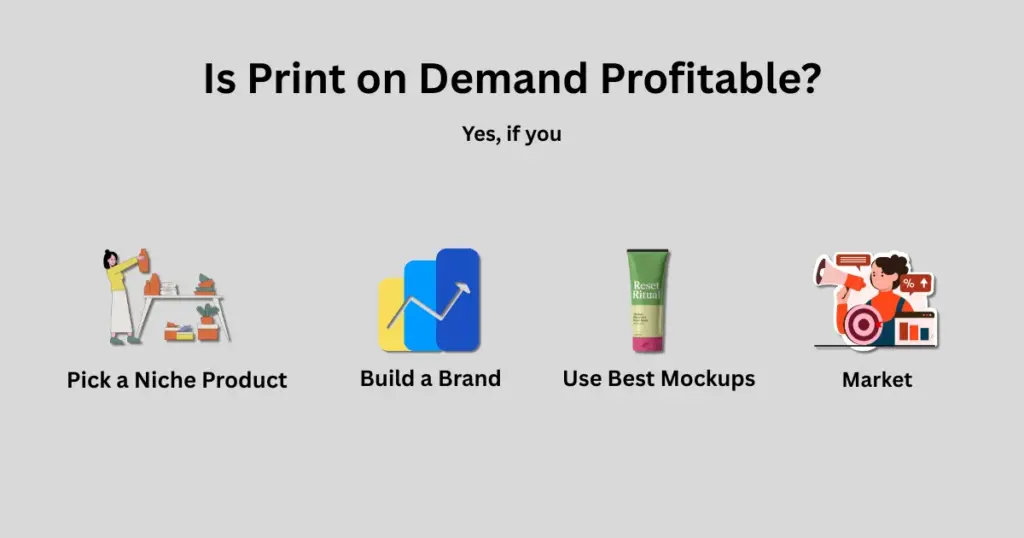
Is print on demand profitable? Yes, if you pick a niche product, build a brand, use the best free mockup templates, and market well.
Print on demand is still profitable in 2026, but only if you treat it like a real business, not a shortcut to easy money. Generic t-shirts, weak branding, and zero marketing rarely work anymore.
But creators who focus on niches, original designs, personalization, and smart pricing are still making a solid income. POD works best as a starting tool to test ideas, reduce risk, and grow before scaling into better margins and long-term products.
Table of Contents
Is Print on Demand Profitable (A Detailed Guide)
Every year, the same doubts return. Is print on demand profitable? Has the market peaked? Is there still money to be made in 2026?
Yes, it is possible. However, this is not how most newcomers imagine it. The fuller picture needs context, and that context comes straight from the community that is living it every day.
Print-on-demand is not a business. It is a way to deliver a product. It helps you avoid holding stock. If you do not have a clear product idea, a defined audience, or a strong reason for someone to buy from you, POD will not change the outcome.
Many people struggle because online videos present POD as a full-fledged industry. That is misleading. POD is not the engine. It is just a tool that supports a real business.
How Profitable is Print on Demand?
Let’s take some examples from a Reddit discussion.
A seller finally made their first sale, but the numbers did not feel great. The shirt sold for $17.68, production cost came to $10.61, shipping was $4.75, and the profit ended up at just $2.32 on a Bella Canvas 3001. That quickly raised a few concerns. Can production costs be reduced? Is this kind of margin normal in print-on-demand? And does it even make sense to raise prices when others are selling tees for $11?
Most experienced sellers gave a very direct answer: competing on price does not work. People who do screen printing or vinyl work at home will always sell it cheaper than POD. Chasing low prices usually leads nowhere. One seller even mentioned they price screen-printed shirts at $23 plus shipping as a minimum. POD needs higher margins anyway, just to deal with issues like misprints, refunds, and chargebacks.
Shirt choice also plays a big role. Many people feel the Gildan Softstyle 64000 hits a good balance between price and quality. Bella Canvas at $18 was called unsustainable by some, though others price it at $26 or higher and still sell without issues. You’ll also see sellers listing Gildan 5000 around $25–28 and Comfort Colors in the $32–35 range, with shipping charged separately.
Free shipping came up a lot in the discussion, and most people were against it. Shipping often eats into your margins without you noticing. A better approach is to keep the product price fair, charge for shipping separately, and use discounts to push buyers who are still unsure.
The takeaway was simple. If the design is good, people don’t worry much about the price. But weak designs won’t sell even at $17. Print on demand isn’t a shortcut to easy money. You either price for profit, or it’s better not to play the game at all.
Top Profitable Print on Demand Store Examples
Not every print-on-demand store makes it big. But those that do leave clear clues behind. We studied some of the best performers to understand what sets them apart.
1. The Oodie

The Oodie is a standout name in print-on-demand. It sells blankets and hoodies made for comfort. The brand focuses on warmth and ease.
2. Tote Bag Factory
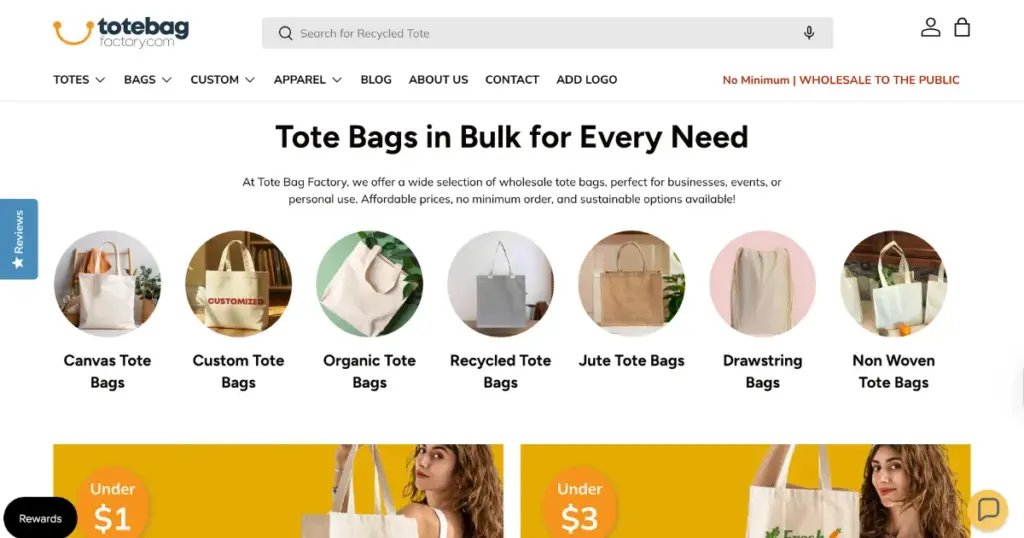
Tote Bag Factory focuses on well-made products, especially canvas tote bags. They sold at competitive wholesale prices.
3. Famous In Real Life
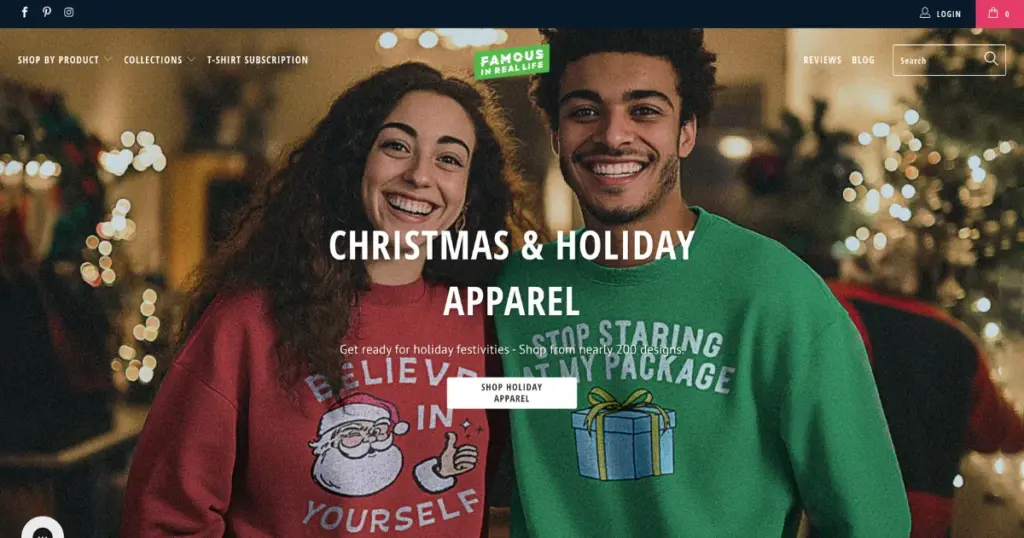
Famous In Real Life, or Famous IRL, taps into pop culture to create standout designs. The brand keeps it familiar and rooted in shared cultural moments.
Is Etsy Print on Demand Profitable?
Etsy is usually the go-to marketplace to sell print on demand products. But many beginners hear the same concern again and again that profit margins feel low once Etsy fees kick in. So is it worth it?
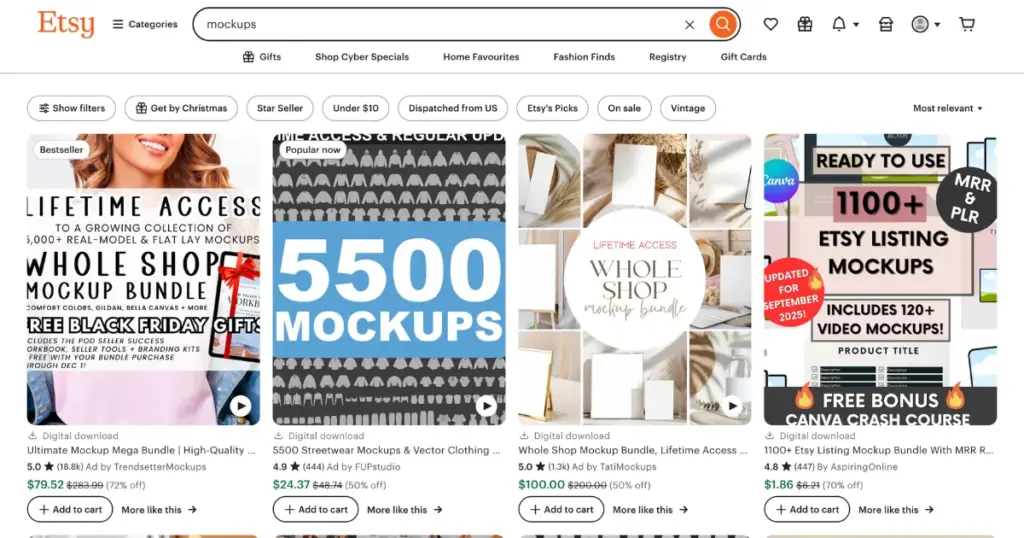
From real seller experiences, the answer is that it depends. Some sellers report solid results. One shop owner shared that after production costs, Etsy fees, and extras like mockups, their net profit sits around 30–35%. Since starting in mid-2021, they’ve crossed nearly $950k AUD in total sales. Their key point was pricing. They aim for high margins on Printify first, then list on Etsy with enough buffer.
Others are more cautious. Many sellers say the average net profit lands closer to 20%. Etsy fees add up, and competition is intense. POD is saturated, especially for generic designs. If you compete only on price, margins shrink fast.
Still, several sellers defend Etsy strongly. The fees are roughly 10% for most orders—cover hosting, payments, traffic, ads, and even tax handling. For many, that trade-off is worth it. You don’t need inventory, machines, packaging, or staff. You can start with less than $20.
Where Mockups Fit Into a Profitable POD Strategy?
You need a mockup generator to show your design on a product to buyers. One mistake new POD sellers make is poor presentation. Low-quality mockups kill trust. Shoppers decide in seconds.
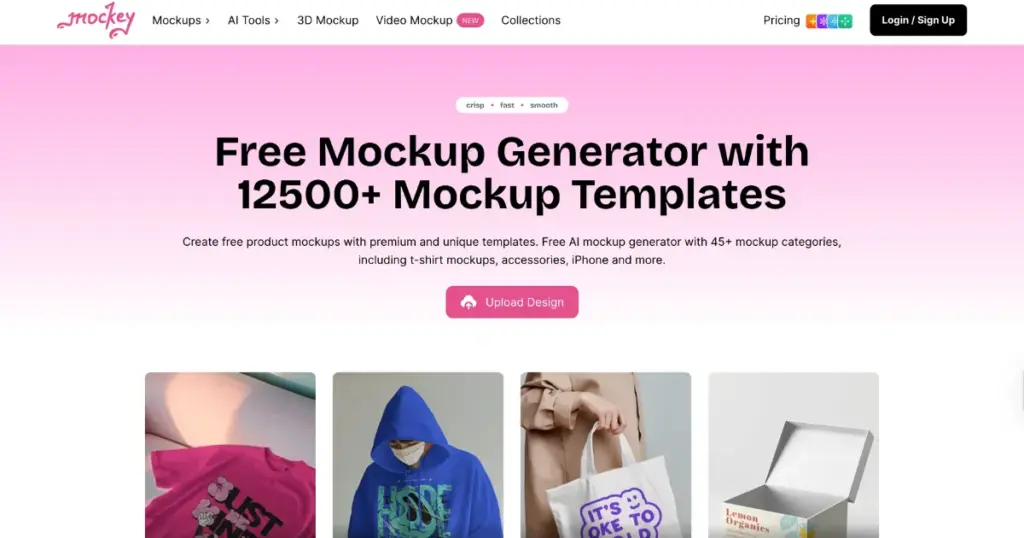
Using a free mockup generator like Mockey AI helps you:
- 27,000+ mockup templates
- 50+ products
- A free plan
- 3D mockups, video mockups, and Collection mockups
- Seasonal mockups (Halloween, Christmas, and New Year’s)
Conclusion
You now understand the popular query “Is print on demand profitable?” Print on demand in 2026 is very much alive, but it is not simple. When handled like a real business, it can deliver results. When treated as a shortcut, it usually disappoints. You will not know how it turns out until you step in. Just make sure you start with clear expectations.
FAQs
What’s the biggest problem with margins in print on demand?
This is where many beginners get stuck. T-shirts and hoodies are already mass-produced, are bought wholesale by printers, and leave very little room for markup. When you use the best print on demand sites like Printify or Printful, the costs add up fast. You pay close to retail rates, shipping comes extra, and the platform keeps its share.
Why does branding matter more than ever in print-on-demand?
If you don’t have a brand, POD will feel like Uber wages. You do the work. The platform gets steady money. The best sellers focus on a clear niche, a consistent style, and their target audience before their product. Some people sell POD products to communities and YouTube channels first.
Can beginners still start with POD?
When you don’t expect to make money overnight, and you don’t have much capital, POD is a great option for you, especially if you want to test your product ideas, learn about e-commerce, SEO, and marketing. Many sellers start with POD and later switch to bulk manufacturing, improve margins, and gain control of quality. POD is often the starting point, not the end goal.
For whom is print on demand profitable in 2026?
Print-on-demand is profitable for the right kind of seller. It suits designers who create original work and creators who already have an audience. It also fits those selling personalized or niche products, and anyone building a brand with a long-term view.
What works better than apparel in print on demand?
Some sellers consistently pointed out that better options than apparel are personalized products, gifts tied to emotions or life events, and non-apparel products like canvases, tumblers, baby products, home decor, and jewelry. Personalization increases margins because it’s harder to compare prices, customers value it more, and you’re not competing with generic listings.
Is POD saturated?
POD isn’t saturated. Lazy sellers are. The market is flooded with Canva clipart, outdated fonts, generic quotes, and AI-generated designs slapped on t-shirts. Those products are everywhere. That’s what’s saturated. If you’re doing the same thing as thousands of others, you’ll struggle. Not because POD is dead, but because your product has no reason to exist.