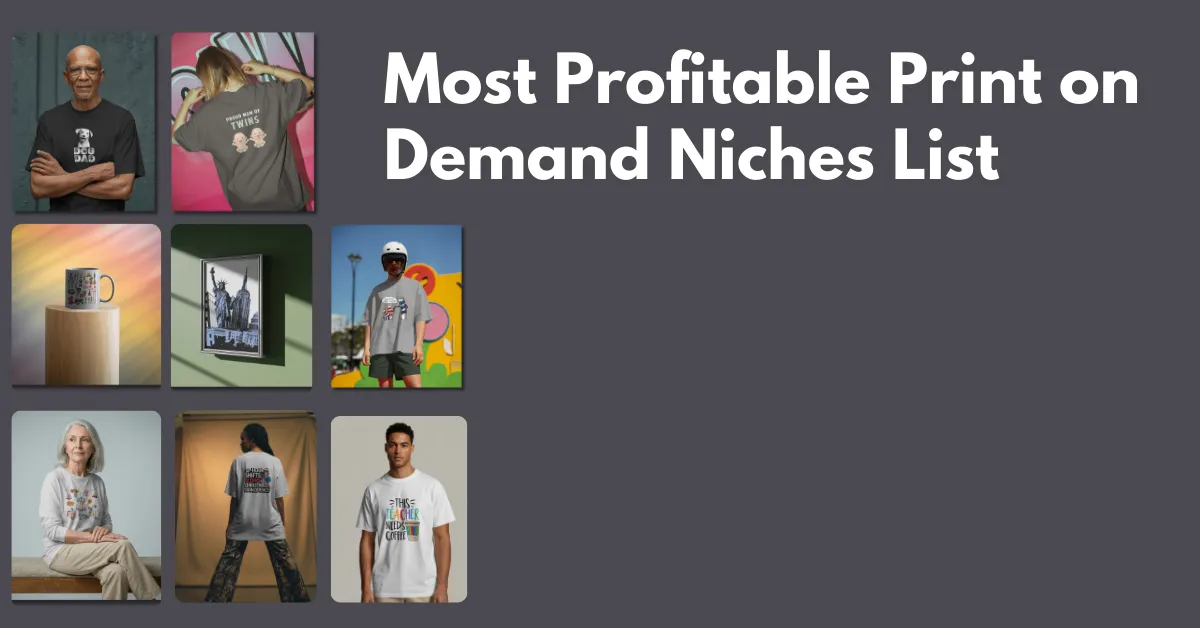
Print on demand niches include professions, hobbyists, lifestyle & subcultures, local pride, personalized, and memes in 2026.
If you search for the best selling print on demand niches on YouTube or Google, you’ll see the same recycled answers again and again: pets, anime, gym, motivation quotes, funny slogans.
People fail in POD not because they picked the wrong niche, but because they misunderstand what a niche actually is. The purpose of this blog is to examine what are the actual best print on demand niches and what falls flat in print on demand business ideas.
There are no secret print-on-demand niches. Someone on Reddit asks about less crowded print on demand niches, and the answers are blunt. No one will share that. Others point out that if it’s profitable, it’s already crowded.
If a niche has demand, buying intent, and repeat customers, there are already other sellers in it. So if you’re waiting for a magical empty niche with tons of buyers and no competition, it doesn’t exist.
The most profitable print on demand niches are built around identity. People don’t buy POD because the design is clever. They buy because it feels personal. Here are the identity buckets that keep showing up as profitable when done right:
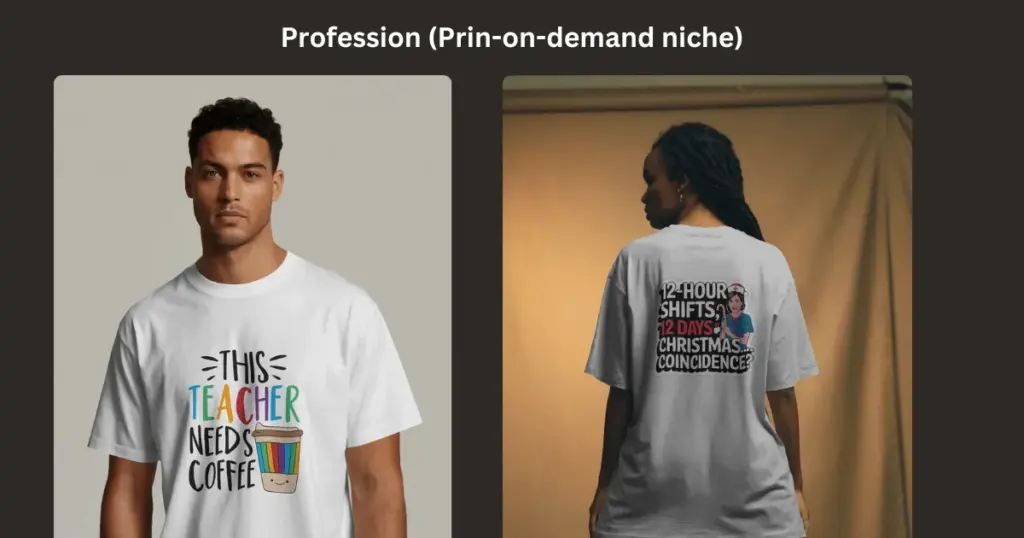
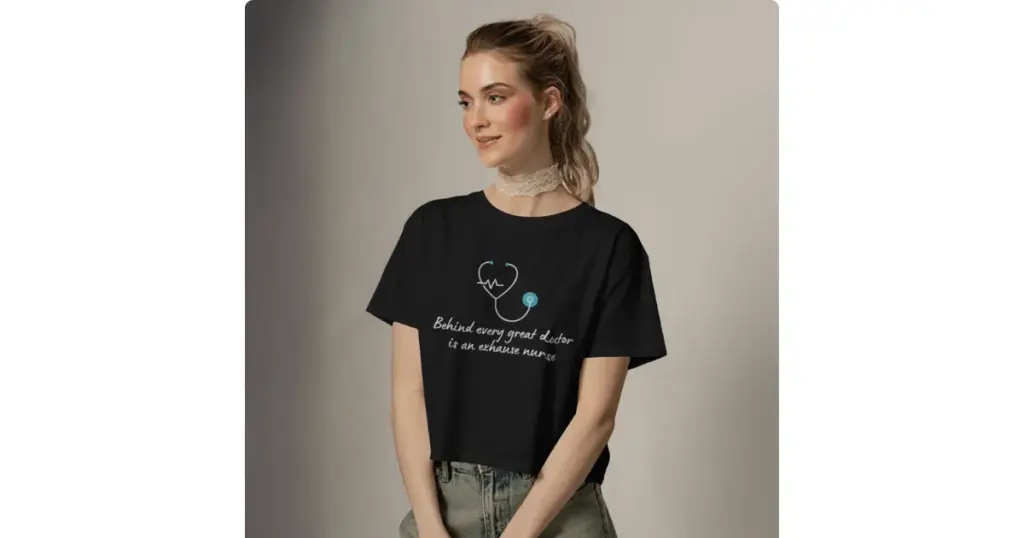
Plain designs no longer work in professions like teachers, nurses, coders, blue-collar workers, and traders. “Best nurse ever” is no longer a catchy line.
What connects today is honesty and shared experience. People respond to inside jokes, long shifts, work fatigue, and the language only their field understands.
Look at the example:
These images were created using Mockey AI’s T-shirt mockup.
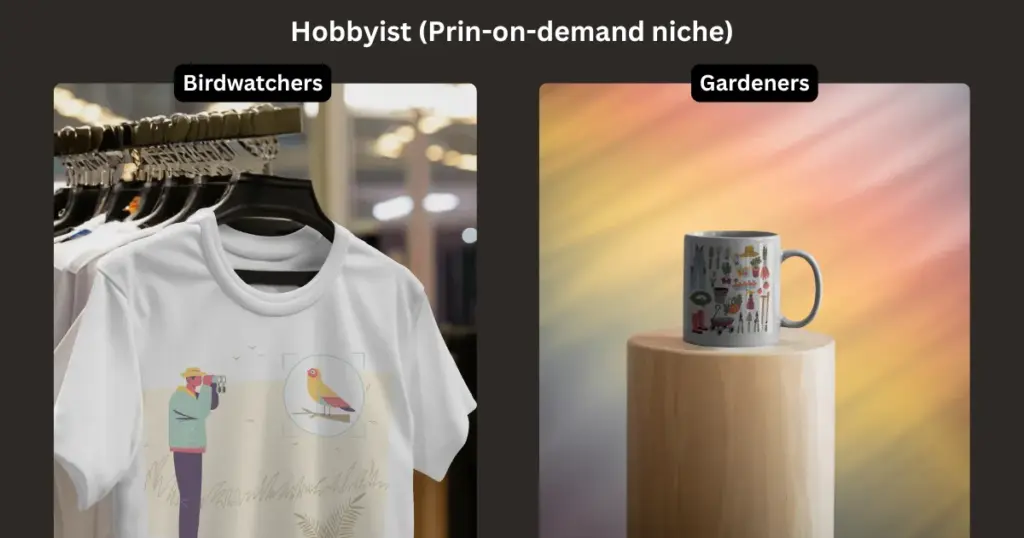
Hobbyist niches may have a small audience, but they attract buyers who are deeply committed. Popularity does not matter here; shared interest does. Birdwatchers, ham radio users, car detailers, gardeners, and outdoor enthusiasts are good examples.
These markets do not depend on millions of customers. A few thousand passionate followers are enough, and that is what makes them effective.
Look at the example:
These images were created using Mockey AI’s T-shirt and mug mockup.
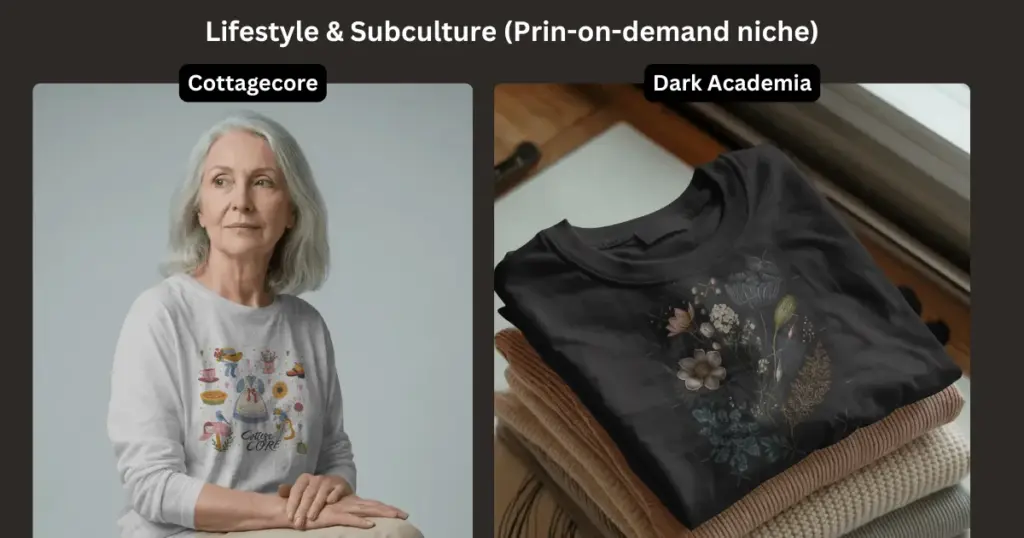
The lifestyle and subculture print on demand niche has real long-term potential. Subcultures beat trends because they don’t disappear overnight, and people identify with them.
Common examples are cottagecore, dark academia, minimalist aesthetics, eco-conscious lifestyles, and DIY & maker culture. These buyers don’t just buy one shirt; they buy the vibe.
Look at the example:
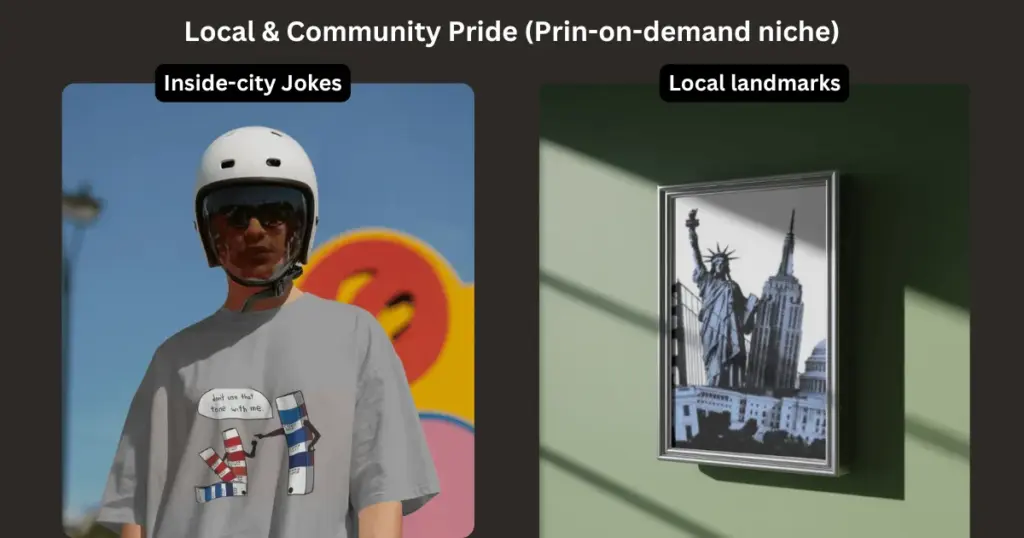
One of the underrated print on demand niches is local and community pride. Local pride works because big brands ignore it, and buyers feel an emotional connection.
Examples are small towns, local landmarks, regional humor, and inside-city jokes.
Stay away from trademarks. Many sellers lose their shops because they overlook this step. Names of universities, national parks, and sports teams often fall under trademark rules.
Look at the examples:
This design was created with the help of Mockey AI’s T-shirt and poster mockups.
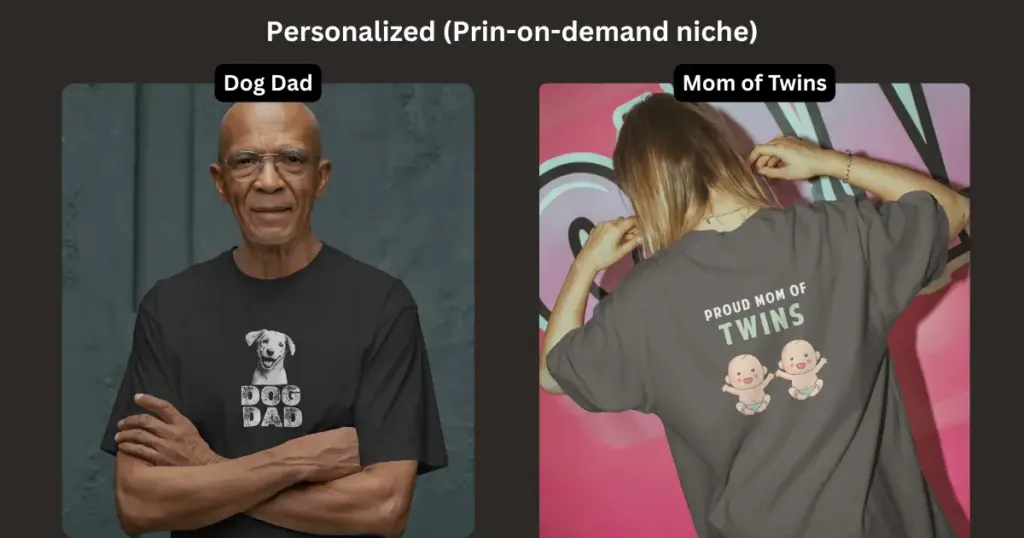
Personalised print-on-demand is still going strong. But not just names slapped on designs or low-effort “custom text here”.
What connects better are personal moments like roles (mom of twins, dog dad, shift worker), dates, inside jokes, and subtle personalization. Personalization works because it’s hard to copy at scale and increases emotional value.
Look at the example:
Event-driven and meme-based print-on-demand sits firmly in the high-risk and high-reward zone.
Many sellers say they’ve made quick money by jumping on memes, viral internet moments, and news-driven designs. Others urge caution, pointing out that these trends fade fast, rely heavily on ads, and can quickly lead to burnout.
This model works only if you move fast and are comfortable with constant turnover. It is not ideal for beginners or for building a long-term brand, but in the hands of experienced sellers, this print-on-demand can still be profitable.
Here’s what experienced sellers say doesn’t work or is overrated when it comes to marketing.
Anime-themed designs often come with serious risks. Most anime are closely followed by copyright notices, takedown requests, or even account bans. Unless the artwork is completely original and stays clear of copyrighted characters, creators can easily land in legal trouble.
The pet niches are extremely competitive, dominated by personalization, and tough to crack unless you can tell an emotional story. It is not impossible to succeed here, but it is no longer an easy starting point for beginners.
Generic, text-heavy designs rarely work. Simple quotes, overused Canva-style fonts, and clearly made print-on-demand mockups tend to turn people away.
When a design feels rushed or looks like it was put together in a few minutes, buyers notice it immediately—and they move on without a second glance.
Many beginners who are starting a print-on-demand business treat print-on-demand like a niche. Print on demand isn’t a niche. It is just the production method. Items such as T-shirts, hoodies, mugs, or caps are products, not niches.
A niche is a specific group of people with shared experiences, pain, humour, or lifestyle. They connect with a design because it speaks directly to them.
Selling “funny T-shirts” is too broad to stand out. Selling “funny T-shirts for tired night-shift nurses” works because it talks to a specific group and makes them feel understood.
It’s no secret that most POD stores fail because of the following reasons:
Obvious Mockups
Buyers hate flat mockups, stock models, and fake-looking previews. Realistic images matter more than the design itself. It’s better to use a free mockup generator like Mockey AI. There are better previews, multiple models, and 3D-style mockups included.
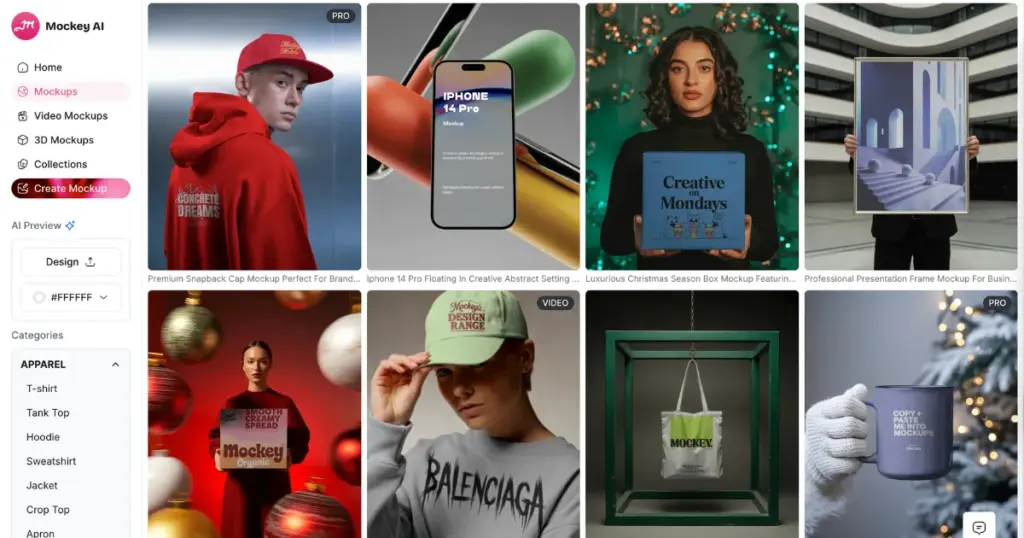
The benefits you get:
No Brand, Just Products
If you don’t build a brand, survival is tough. People don’t connect with random designs; they connect with brands.
Ads Before Validation
Many users spend money on ads before organic search, SEO, and product-market fit. Don’t run ads until something sells organically.
Giving Up Too Early
Quitting too soon. It often takes creating more than a hundred designs before one finally clicks. For some, months pass before sales pick up. And when success comes, it is usually one design that does far better than the rest.
The most profitable print-on-demand niches are not the ones chasing trends, avoiding competition, or getting hyped by YouTubers. They are deep, personal, emotion-driven, and built for a specific group.
You’ve probably already got an idea of which niches work best for print on demand. And keep this in mind that creating mockups is extremely important for any niche you’re targeting. Mockey AI is one of the best platforms for creating listings on any print-on-demand site.
The profitable print on demand niche starts with you and a community. This belongs to the audience, understand the jokes, and know what not to say. When you try to sell makeup merchandise without understanding makeup, it shows. When you chase a niche you do not care about, burnout follows quickly. Start where you already belong.
You can determine whether the niche is profitable by using Google Trends, competitor analysis, checking costs, and testing your idea with actual customers.
A strong design can sell in a crowded niche. A weak design won’t sell even in a low competition niche. Niche helps direction, but the good print-on-demand design idea with the message closes the sale.
Reddit sellers commonly recommend 4to 7 images per listing, a mix of close-ups, lifestyle shots, and context, and at least one image that shows scale and fit. One single mockup image rarely converts well.

Sangram Sahoo
I’m a content writer with 4 years of experience. I specialize in creating practical content around mockups, print-on-demand, apparel, and e-commerce design.
