Print on demand business ideas help creators start online brands with low risk by selling custom products like apparel, mugs, and posters without inventory.
If you spend even an hour researching print-on-demand business ideas, you’ll notice one pattern very quickly. People are curious, confused, and people are brutally honest.
While some are starting their first B2B POD store, others haven’t had any sales in months. Some are making money quietly, but warning others that it’s not easy. This blog gives you a realistic picture of print-on-demand in 2025. Just what real users say after trying POD themselves.
Let’s understand print on demand in very simple terms. You create a design and a third party prints it only after a customer places an order. There is no inventory to manage and nothing to store.
The print-on-demand design ideas go on everyday products like t-shirts, hoodies, mugs, posters, phone cases, or tote bags. Once a buyer clicks purchase, the print-on-demand company steps in. It prints the item and ships it directly to the customer. You keep the difference as your profit.
Most print-on-demand business ideas fail because of choosing generic ideas, funny quotes, random slogans, and basic graphics.
Everyone is doing that. Many sellers say they failed because they tried to sell to everyone instead of a specific audience.
For example, “Gym shirts” is too broad, “Funny t-shirts” is insanely crowded, and “Motivational quotes” is hard to stand out. What works better is narrowing it down. Not “dog lovers”, but “golden retriever owners who love hiking.” Not “streetwear”, but “minimal streetwear for college students.”
Let’s break down the actual print-on-demand business ideas, not YouTube fantasy lists.
Funny quotes rarely work and often get ignored. What clicks instead is focused humour. The kind that speaks to a gym regular, a nurse after a long shift, or a trucker on the road. Designs tied to specific jobs, hobbies, or tight-knit communities perform far better. Local slang and inside jokes also strike a chord because they feel personal.
Sales picked up only after they stopped designing for everyone and started designing for one group. The takeaway is clear. If a design fits everyone, it usually excites no one.
Surprisingly, wall art and posters are very popular, and for good reason. Returns are fewer, buyers see more value, and branding becomes simpler.
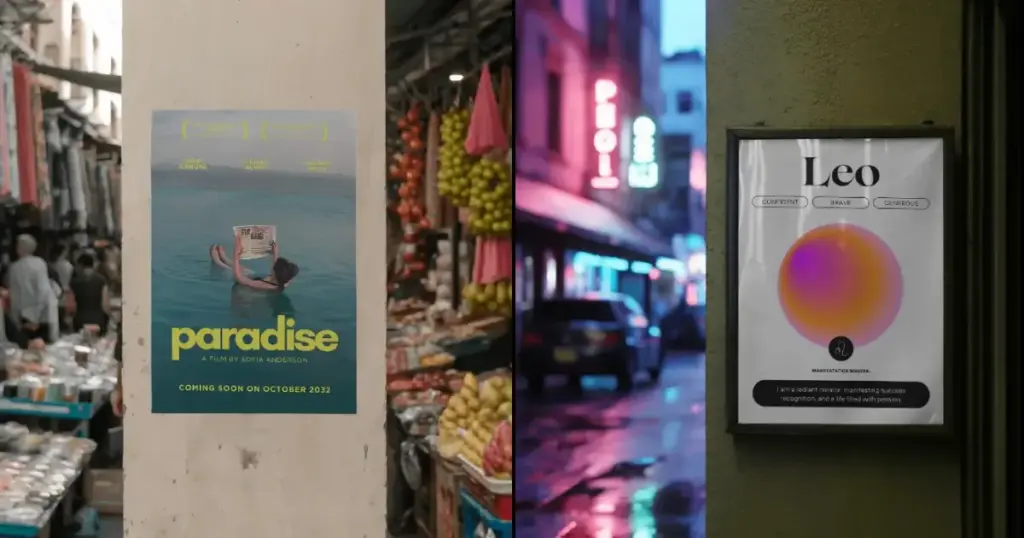
Posters work well with clear ideas. Niche-based motivational quotes lead the way. Minimal art finds steady demand, and typography-focused designs continue to perform.
Posters sell more than T-shirts because buyers don’t have to think about size or fit.
Local and regional POD option is one of the most overlooked ideas out there. Designs rooted in city pride, local phrases, and region-specific humor quietly perform well.
The reason is simple. Fewer sellers chase this space. Buyers feel a personal bond with the product, and reaching the right audience becomes much easier.
Personalized gifts sell because they tap emotions and timing. Buyers are not looking for just a mug. They want a mug with a father’s name, a special date, or a family joke that means something.
Everyday products work well here. Mugs, posters, ornaments, T-shirts, and tote bags all fit naturally into this space. The design focus usually follows life moments such as birthdays, anniversaries, a new baby, graduation days, and retirement milestones.
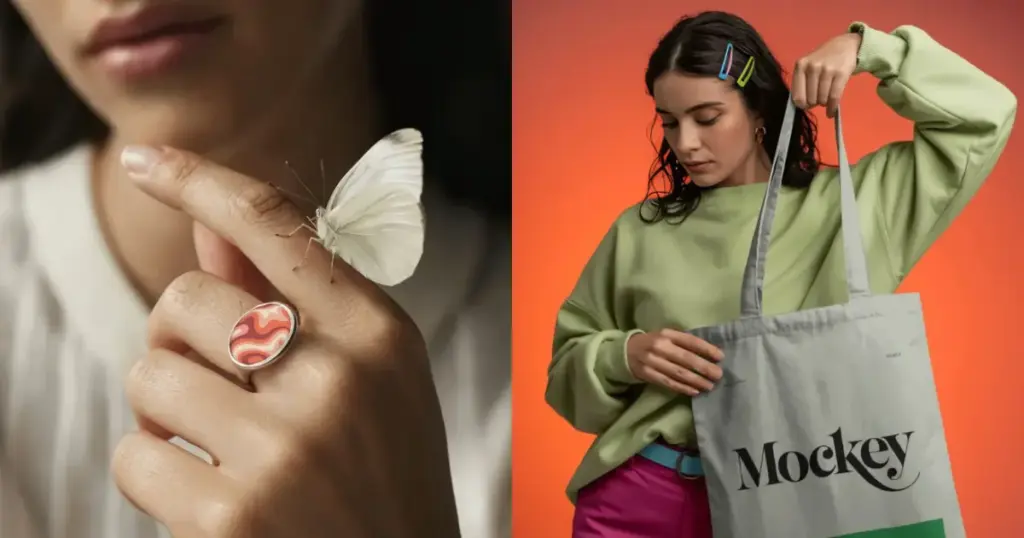
You can use jewelry mockups or tote bag mockups with the help of Mockey AI. Simply upload your design to see a preview of it right away.
This demand is not imagined. Etsy itself highlights how strongly personalised gifting drives buyer behaviour. And the sales numbers quietly back that up.
When done right, this niche delivers steady returns. Pet owners shop with emotion, not logic.
It’s no surprise that the best print-on-demand sites and e-commerce guides continue to rate pet products as a reliable, high-performing category year after year.
Loud pride. Strong inside jokes.
Examples:
People love role identity like teacher, nurse, electrician, chef, barber, driver, gym trainer, etc. This category stays popular because it’s evergreen and gift-friendly, especially around Teacher’s Day, Nurse Week, and retirement.
The baby and new parent segment stays in demand all year, and this is one of the best print on demand business ideas to genuinely follow.
Popular picks include baby onesies, bibs, milestone boards, and nursery wall prints. Buyers love designs that celebrate life changes like big brother announcements, first-time dad pride, and personalised baby name artwork.
The biggest opportunity lies in smart bundles. A matching mom tee, dad tee, and baby onesie often sells better than single items.
Weddings and couple moments bring strong buying intent. This space works well for customized welcome boards, couple T-shirts, bridesmaid totes, mugs, and posters.

Designs that highlight Mr and Mrs titles, special dates, locations, wedding roles, or a simple “how we met” story connect instantly.
Seasonal moments bring quick bursts of demand and sharp sales spikes. This is not a one-day holiday push; it is a year-round calendar plan.
Events like Valentine’s Day, Mother’s Day, Father’s Day, graduations, Halloween, Christmas, and sports seasons drive buying moods.

Successful brands get started early. They go live six to eight weeks in advance and keep timeless versions available even after the season ends.
Bad mockups kill good designs. This means even the best design can fail if the mockup looks poor. Buyers judge within seconds. Low-quality and unrealistic previews can break trust.
All successful sellers use realistic mockups, show products in lifestyle settings, and match their brand aesthetic. They know mockups are not for decoration. They are sales tools.
One of the best mockup generators for this is Mockey AI. It offers over 30,000 mockup templates across 45+ products. You can sell the best print-on-demand products using this free mockup generator.

Standout features include:
Once you have your print on demand business idea, pick one niche from the list above. Then build:
Week 1: Foundation
Create 30 listings within one niche, each with a fresh idea. Add five personalization templates that let buyers change names, dates, or roles with ease.
Week 2: Expansion
Expand the catalog with 30 fresh listings. Introduce two new product categories, such as a tee, a mug, or a poster.
Week 3: Traffic
Post one Reel every day. Show a quick mockup video, add niche humor, or demo personalization in seconds.
On Pinterest, add three pins for each listing. The platform rewards evergreen content and keeps it visible for the long run.
Week 4: Upgrade
Upgrade your top 10 listings. Improve titles, refresh photos and mockups, fine-tune the descriptions, and price tests.
In 2025, print on demand business ideas still hold value. This opportunity is only available to those who are able to do their homework first, pick a niche and build a brand around it. Experienced sellers advise that if quick cash is your goal, it is best to stay away from this deal. If the plan is to build something steady and long-lasting, there is still space for POD.
Print on demand business ideas are still profitable in 2026 if you avoid generic designs and build around a niche and differentiation.
No niche is empty. But micro-hobbies and local pride niches are often less crowded than generic funny shirts.
There’s no magic number. The most common recommendation is to build enough listings for your shop to get impressions and tests, often 50 or more per niche.
Clothing remains a top category, especially tees, while sportswear-style products also perform well. Then expand into home goods and gifts.
You can do print-on-demand without showing your face. Many sellers market using mockups, product videos, and niche content without appearing on camera. The key is consistent posting.

Sangram Sahoo
I’m a content writer with 4 years of experience. I specialize in creating practical content around mockups, print-on-demand, apparel, and e-commerce design.
