How to Make Money With Print on Demand in a Crowded Market
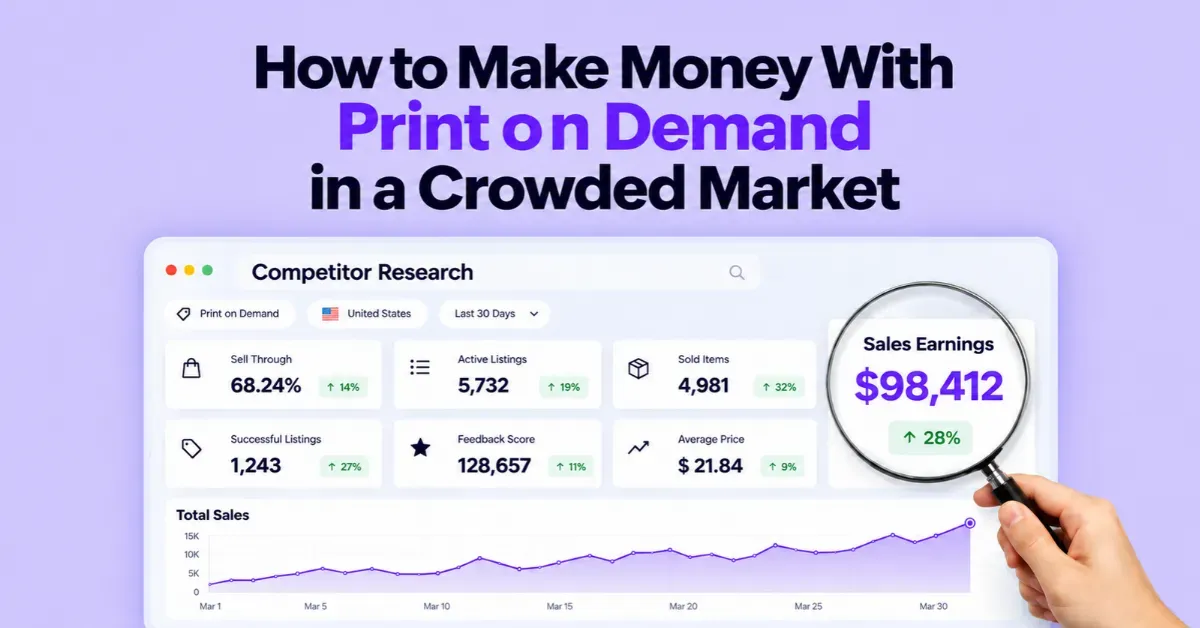
How to make money with print on demand? Focus on products like woven throw blankets and desk mats, which can bring in $30-$50 per sale instead of just $4 from a T-shirt.
Pair a specific niche with a visual style, like travel tumblers and Japanese line art. Build a Shopify store and connect it to suppliers like Printify. Use realistic lifestyle mockups from Mockey AI, and order a sample to check the quality.
Post a TikTok or Instagram Reel every day that shows your products in use. Bundle related items to raise the order value, and use Klaviyo to collect emails so you can bring customers back during the holidays.
Understood?
If not, let’s learn step by step how you can actually make money with print on demand.
Table of Contents
What Makes Print on Demand Profitable?
Traditional stores buy stock upfront and risk losing money if it doesn’t sell. POD lets you pay only after a customer orders.
You can list a design on a t-shirt, then try it on a mug or hoodie. There's no need to order a batch first. If nobody buys it, you haven't paid to make a pile of stock. As orders come in, your supplier makes the products.
POD suppliers handle printing, packaging, and shipping. With the right store integrations, much of the process runs automatically. You handle the designs and marketing. Your supplier takes care of making the products.
How to Make Money with Print on Demand
To make money with Print on Demand, here’s a step-by-step plan to build your brand from scratch.
Step 1: Choose Your Product and Niche
It's the base of your POD business idea. Broad appeal is hard to win with, so focus on a specific audience that feels your product was made for them.
The formula has three parts: Identity + Visual Style × High-Margin Product.
| Pillar | What to Focus On | Examples |
|---|---|---|
| Audience | Target people who care deeply about their job, hobby, or lifestyle. Look for spending power and shared slang, jokes, or struggles. | Tech workers, healthcare professionals, hobbyists |
| Visual | Match the audience’s interests with a trending art style. | Dark Academia, Y2K, Cottagecore, Swiss Minimalist |
| High-Margin Canvas | Choose products with high perceived value. Customers pay more for premium items than basic T-shirts. | Home decor, premium desk accessories, apparel |
Step 2: Check the Market and Demand
Use real market data to see what people are buying.
A. Use Etsy Search to Check Demand
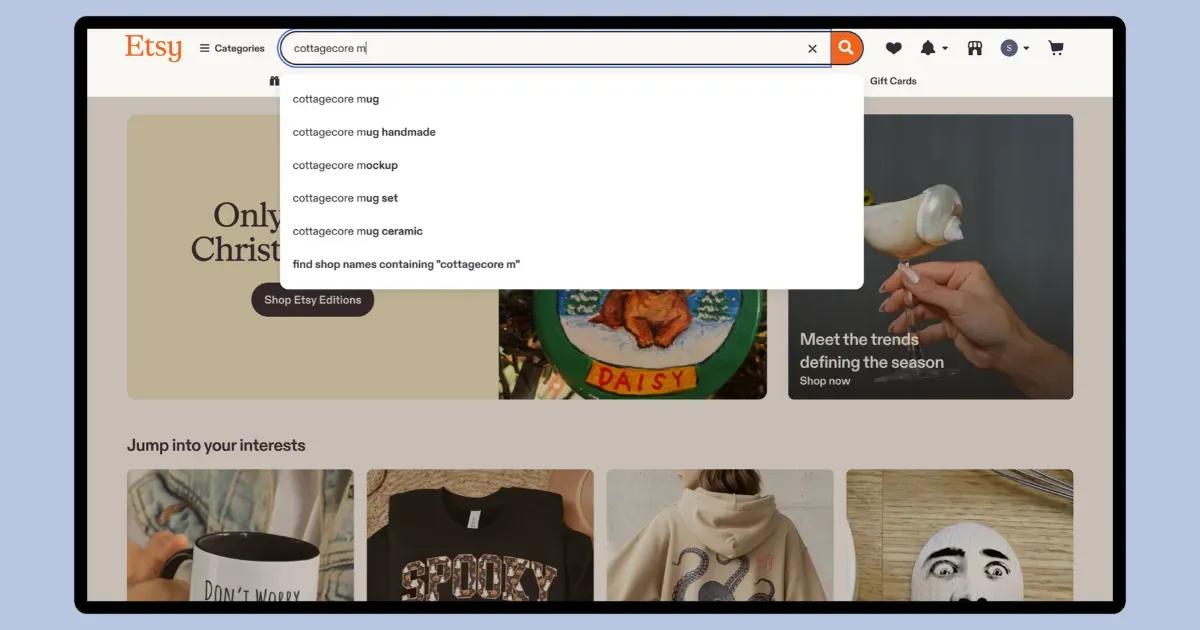
Before you spend money on software, see what people are searching for on Etsy. The search bar is a simple place to start.
Type your niche keyword (e.g. cottagecore), add a space and a letter (e.g. cottagecore m), then check the suggestions.
If Etsy suggests terms like “cottagecore mug”, it shows people are searching for those products.
You can also check our best-selling POD products blog.
B. Check Cart Activity and Badges
Find active listings in your target cross-niche:
| What to Check | What It Tells You |
|---|---|
| In 20+ People's Carts | Buyers are interested in the product right now. |
| Bestseller or Popular Now | The product appears to be selling well. |
| Recent Reviews | 5–10 reviews in the last 30 days suggest steady sales. |
C. Use Data Research Tools
Take a look at your competitors’ shops with tools like EverBee. You can use Chrome extensions to get a better idea of what’s working for them.
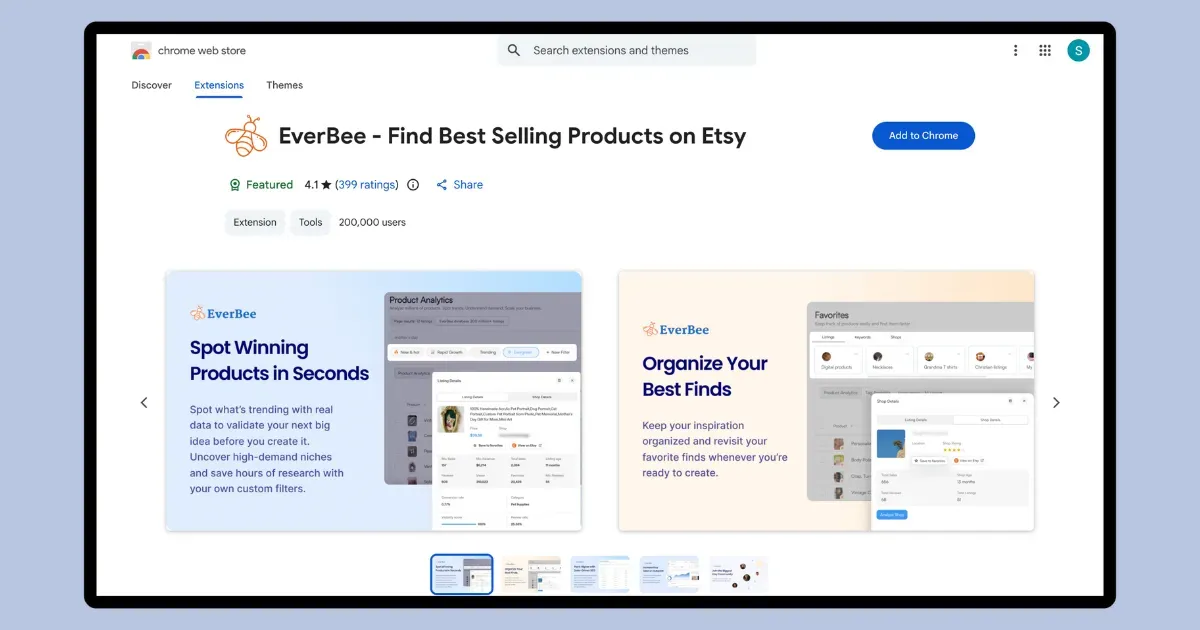
Check a competitor’s listing for its estimated monthly sales and listing age. You should look for a listing under 3 months old with 50+ monthly sales. It shows that new sellers can still enter the market and compete with established shops using unique designs.
D. Learn From 3-Star Reviews to Improve Your Product
Don’t copy a bestseller. You’ll end up competing on price. Open the top 3 best-selling listings in your niche. Read only the 3-star and 4-star reviews to see what buyers think is missing.
Review Example A: “Nice design, but the desk mat is too thin.”
Your solution: Offer a thicker, 4mm desk mat.
Step 3: Get Professional Designs at a Low Cost
If drawing isn’t your thing, don’t worry about making designs from scratch. A design that doesn’t look good can put buyers off.
A. Typography
Buy premium fonts from Creative Market. Use Canva or Figma to create well-spaced text designs.
B Vectors
Get commercial-use graphics from Vecteezy or Creative Fabrica. Make small changes to give them your own style.
C. Freelancers
You can find designers on Fiverr who’ll make a design for you. Prices vary, but you might find someone who charges $15-$30.
Step 4: Set Up Your Online Store
To set up your store:
A. Set Up Your Shopify Storefront
Building a website yourself takes time. Shopify lets you set up a store without dealing with payments, security, and app connections separately.
Sign up for Shopify. Choose a free theme like Dawn.
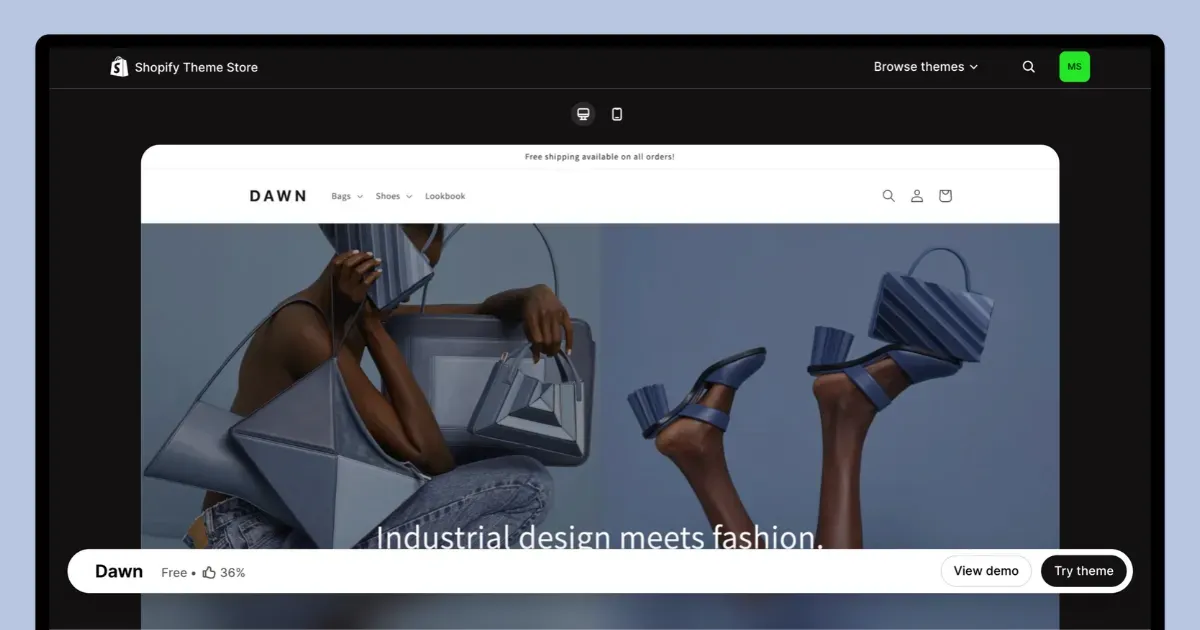
Remove generic banners, long blocks of text, and cheesy sale timers.
Keep your homepage simple. Show a good product image, a headline that fits your style, and a “Shop Now” button.
Add these pages to your footer:
| Shipping & Returns | Clearly mention that items are custom-made and take 5–7 days to ship. |
| Privacy Policy | Explain how you handle customer data. |
| Contact Us | Use a professional email like [email protected] instead of Gmail |
B. Connect Your Print-on-Demand Supplier
Connect your Shopify store to a fulfillment app like Printify or Printful. Both are free to install.
Here’s how it works:
- Someone orders your custom hoodie for $50.
- Shopify collects the payment and sends the order straight to Printify.
- Printify bills your linked card $25 for the shirt.
- It prints, packs, and ships the order with your branding on it.
- The other $25 is yours, minus fees and expenses.
C. Use High-Quality Product Mockups
Mockey AI has ready-made templates if you don't want to start from zero.
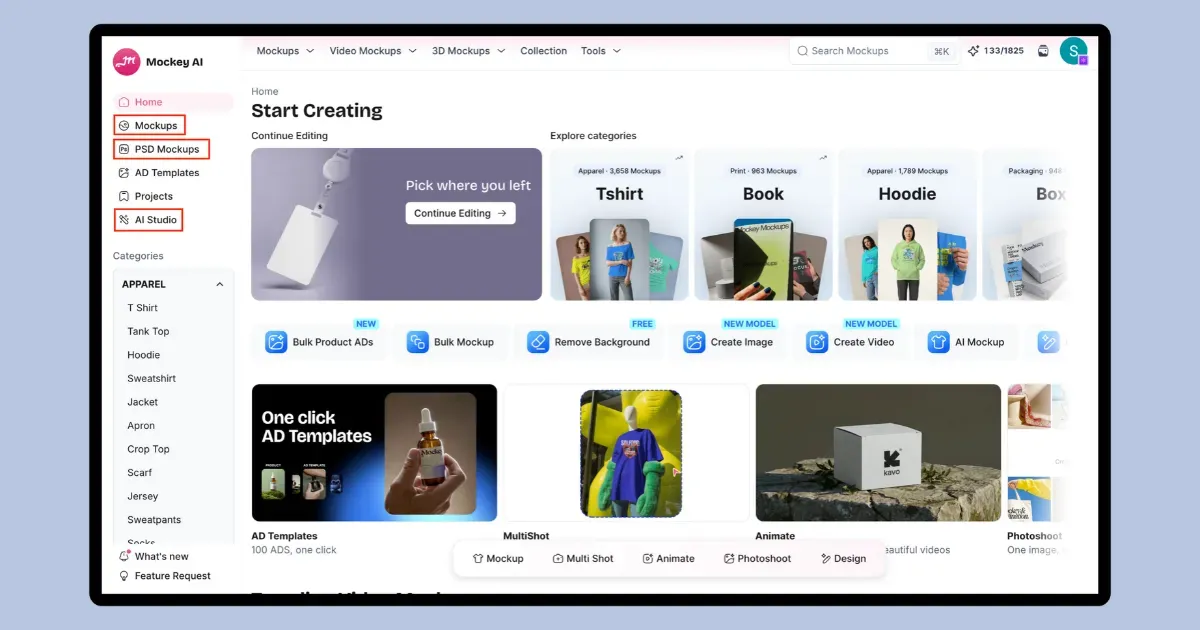
Already have a design? You can turn it into a mockup there, too. If you work in Photoshop, PSD mockup bundles are another option.
For example, if you need a travel tumbler mockup, you have three options:
- Use Ready-Made Templates: Choose from existing travel tumbler mockup templates instead of creating everything from scratch.
- Create Your Own Mockup: Upload your design, describe the tumbler size or background scene you want, and generate a custom mockup.
- Download PSD Mockup Bundles: Get a bundle of 7–8 travel tumbler mockup scenes as PSD files in 300 DPI resolution.
Key Features
- 30,000+ mockup templates
- Support for 60+ product types
- Seasonal products
- DIY mockup creation
- Downloadable PSD mockup files
- Easy-to-use editing tools
- Bulk mode for creating multiple mockups
- Multiple views from a single design
- Turn static mockups into animations
- Etsy and Shopify store integration
- Export in different sizes
D. Set Your Prices and Shipping Costs
Don’t try to beat Amazon or Walmart on price. If a tote bag costs $8 to make and ship, sell it for $24.99.
Include shipping costs in your product price and offer “Free Worldwide Shipping.” Free shipping can make customers more likely to complete their purchase.
Step 5: Attract Customers With Free Marketing
Skip paid ads at first.
- Spend $50 on samples to check the quality and create your own product content.
- Focus on TikTok or Instagram Reels. Name your account after your niche, not “My Product Store.”
- Post 1–2 short videos a day. It could be relatable or ASMR.
- Add your Shopify link to your bio.
Step 6: Grow with Automation
When weekly sales pass $1,000, put some of that money back into the business. You could add products that go well with what people are already buying. Someone ordering a laptop case, for example, might also want a matching sleeve or mug at 20% off.
Your store can collect emails with Klaviyo. When Black Friday or Christmas comes around, send them a discount. Graduation season is another chance to get past customers shopping again.
That’s it. These are the actual steps to make money with print on demand.
FAQs
Can you actually make money with print on demand?
Print on Demand can make money, but uploading designs and hoping they sell usually isn't enough. You need to pay attention to what customers want, which products sell, and where your sales come from.
How soon can you make your first sale?
You might start seeing sales within 30–60 days if you stick with it. Free traffic from TikTok or Instagram Reels can take time to build because you need to figure out which videos and designs your audience responds to. Getting steady profits usually takes longer, often 90–120 days of posting regularly and testing new designs.
What should you do if a customer wants to return a product?
Since each POD product is made after someone places an order, suppliers usually won't take it back just because a customer picked the wrong size or changed their mind. If the item arrives damaged or has a printing problem, they offer a replacement or refund. For other returns, you have to pay the cost yourself, depending on your store's policy.
What’s the main reason most POD stores fail?
Many POD stores struggle to get noticed. Random designs sell poorly to everyone. You're more likely to stand out when you make products for a specific group of people, with designs that speak to their interests.

Sangram Sahoo
I’m a content writer with 4 years of experience. I specialize in creating practical content around mockups, print-on-demand, apparel, and e-commerce design.
