
A hoodie is not profitable just because it costs more than a T-shirt.
Hoodies are a profitable print-on-demand product because successful hoodie brands build a product around a specific audience, create a recognizable style, and present the hoodie as more than just a piece of clothing.
A good example is Dumbclub.
According to a case study by Dreamship, Dumbclub generated more than $190,000 in revenue in one year with a small catalog of products and a strong TikTok strategy.
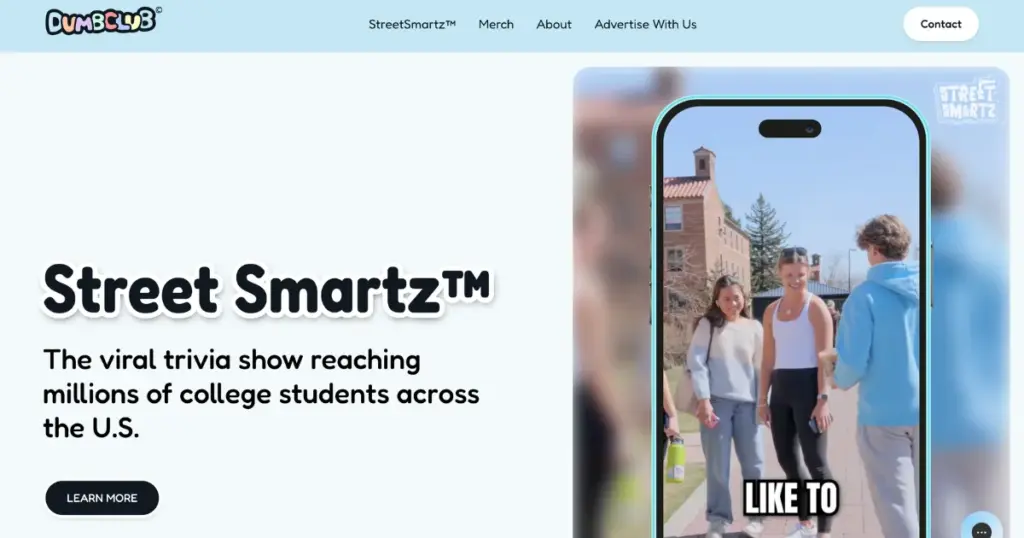
The lesson is that hoodies can become a strong POD product when the product, design, and marketing work together.
Hoodies have a few advantages for POD sellers:
Dumbclub is a good example of this approach.
Instead of creating hundreds of random hoodie designs, the brand focused on a smaller collection and built recognition around its products and content. Dumbclub operated with around 25 products while focusing heavily on community-driven content.
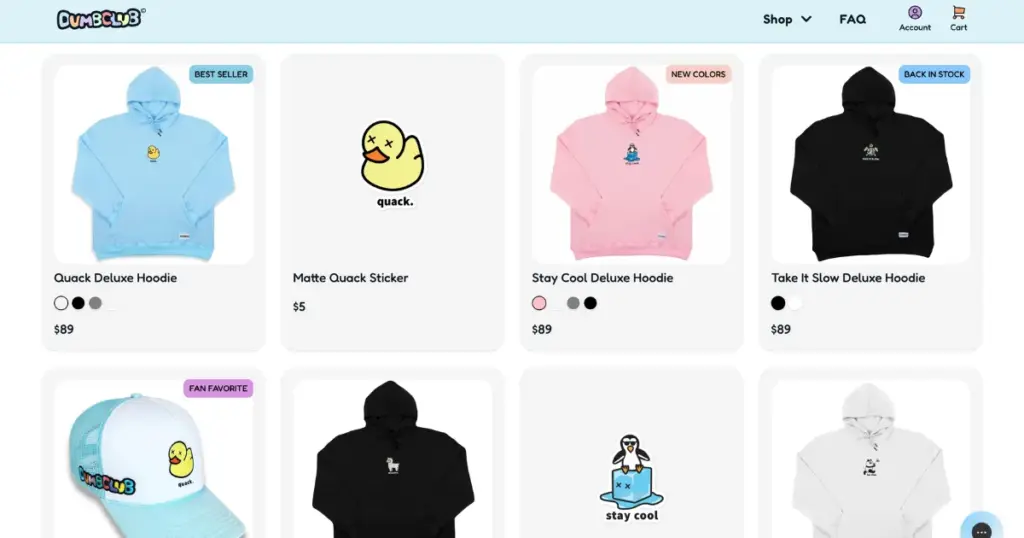
This shows an important point for POD sellers that a smaller collection with a clear style is easier for customers to remember.
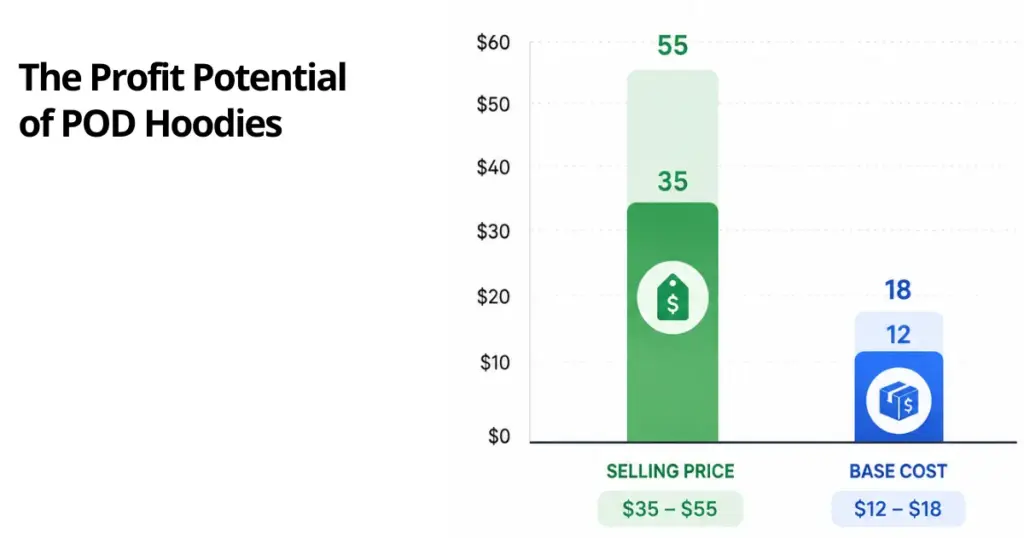
Hoodies can be sold at a higher price than T-shirts, but sellers still need to understand their costs.
Profit depends on:
For example, a detailed graphic hoodie, oversized fit, or limited drop can be positioned differently from a basic everyday hoodie.
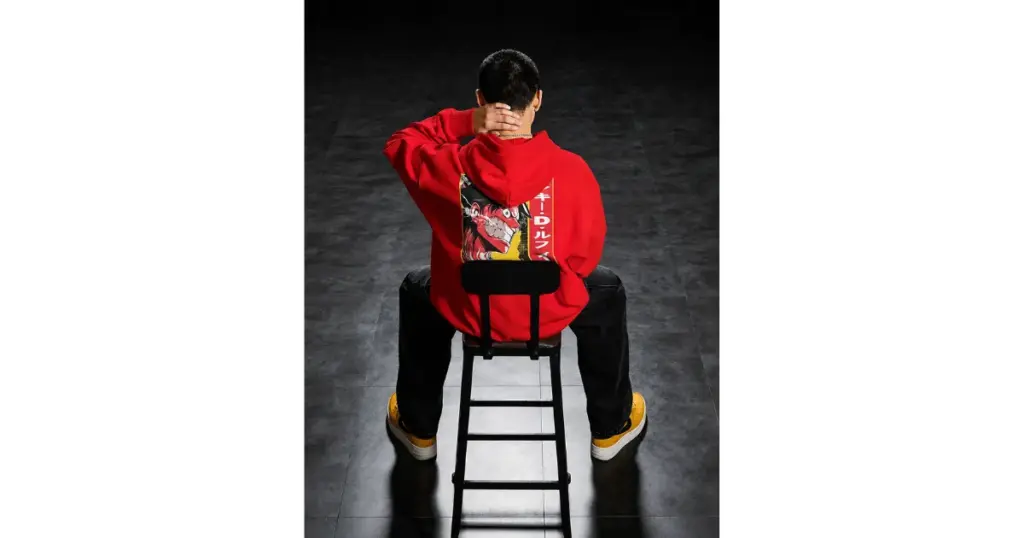
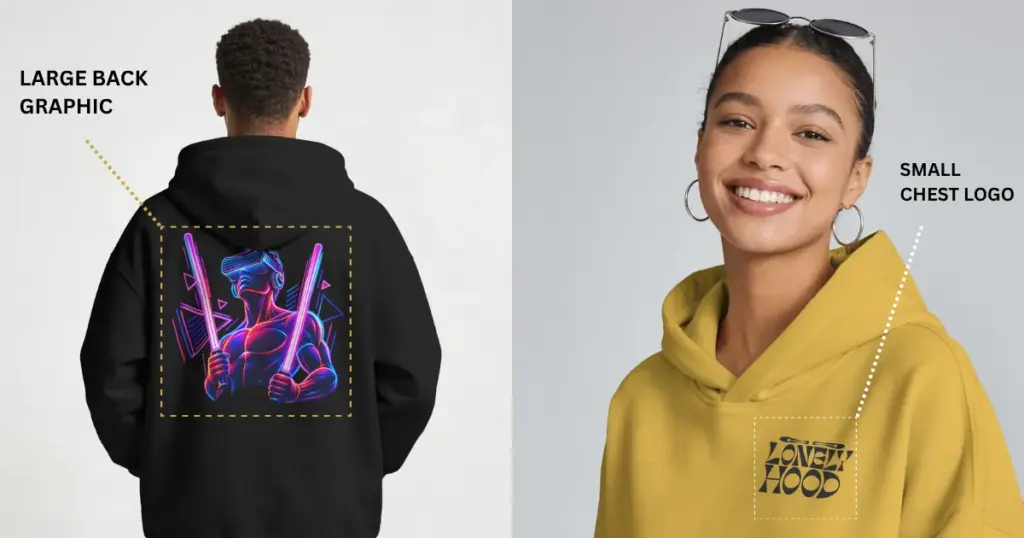
A single idea can be adapted into:
For example, a gaming design might work as a large back graphic, while a simple brand logo might look better as a small chest placement.
The hoodie itself is only one part of the business.
Dumbclub used entertainment content, giveaways, and social media to create attention around its products. Its videos were not simply product advertisements; the hoodie appeared as part of the content people were already interested in watching.
Many POD sellers start with:
“I made a design. Now I need people to buy it.”
Successful brands start with:
“Who is this product for, and why would they want to be part of it?”
The hoodie becomes the product that represents that idea.
Before customers buy a hoodie online, they need to imagine themselves wearing it.
A design file alone does not show:
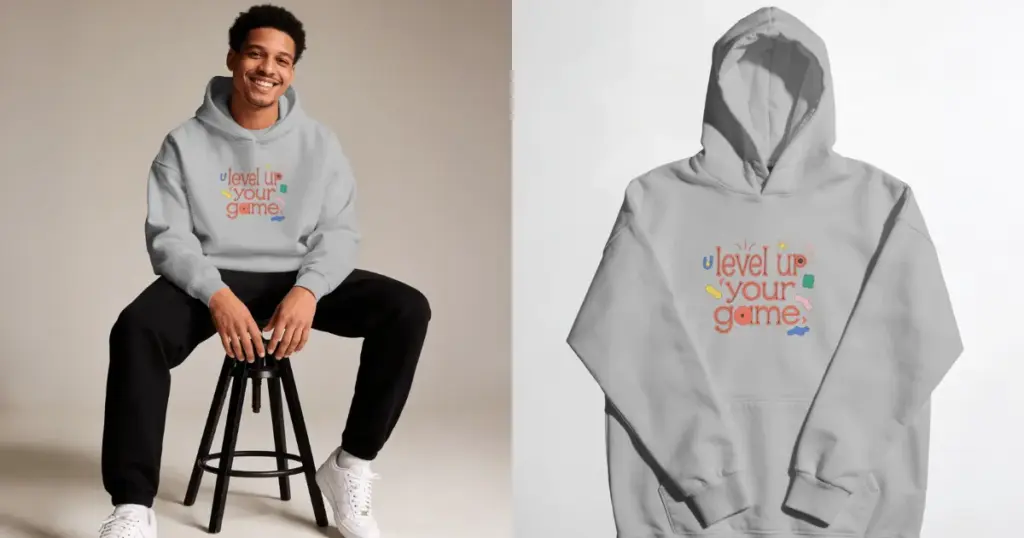
This is why sellers create multiple hoodie mockups before publishing a product. For example, the same hoodie design might be tested with:
Black vs white hoodie colors

Front print vs back print
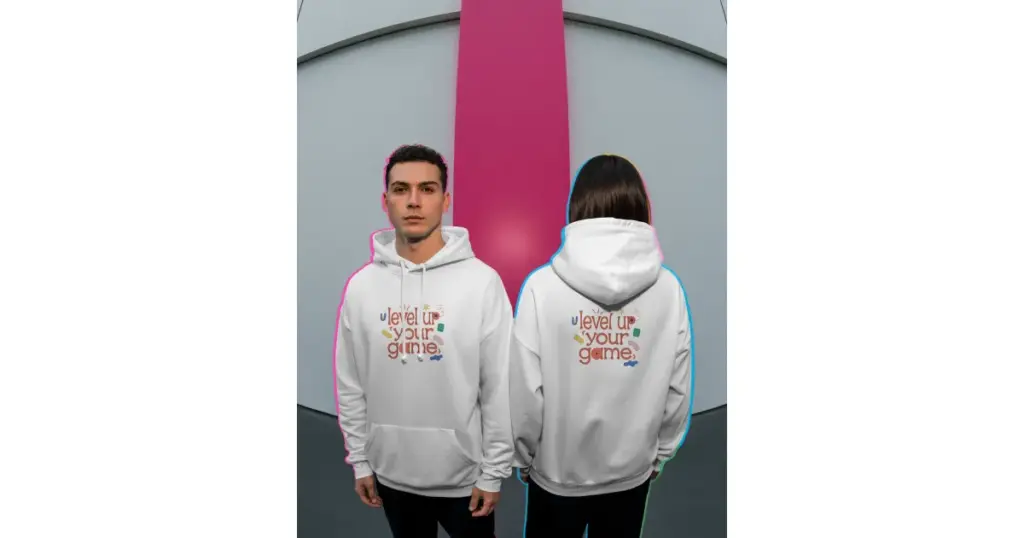
Model images vs flat product images
Successful sellers focus on:
Hoodies typically sell for $35 to $55, while the base cost usually runs $12 to $18, so there’s solid room to work with there.
People will pay more for a hoodie that feels good and looks good. But more designs and higher costs aren’t the answer.
The brands that actually do well know their customer, make designs that feel like they mean something, and show them off in a way people want to buy.

Sangram Sahoo
I’m a content writer with 4 years of experience. I specialize in creating practical content around mockups, print-on-demand, apparel, and e-commerce design.
