How to Create Designs for Print on Demand That Actually Sell
The obvious POD niches are crowded for a reason. Once a phrase like “Dog Mom” takes off, sellers start making their own version.
If you want to get ahead in POD, copying whatever is already selling isn’t enough. Look at what people are talking about, wearing, watching, and buying, then turn those changes into product ideas before they become crowded.
Table of Contents
How to Create Designs for Print on Demand
With this step-by-step guide, you can create designs for print on demand based on early trends and sell them on platforms.
Step 1: Find Trends Before Everyone Else
When a trend becomes popular on Etsy or Amazon, many sellers are already selling it. So, look at places where new trends start to find ideas before everyone else does.
1. TikTok and Instagram Reels Audio
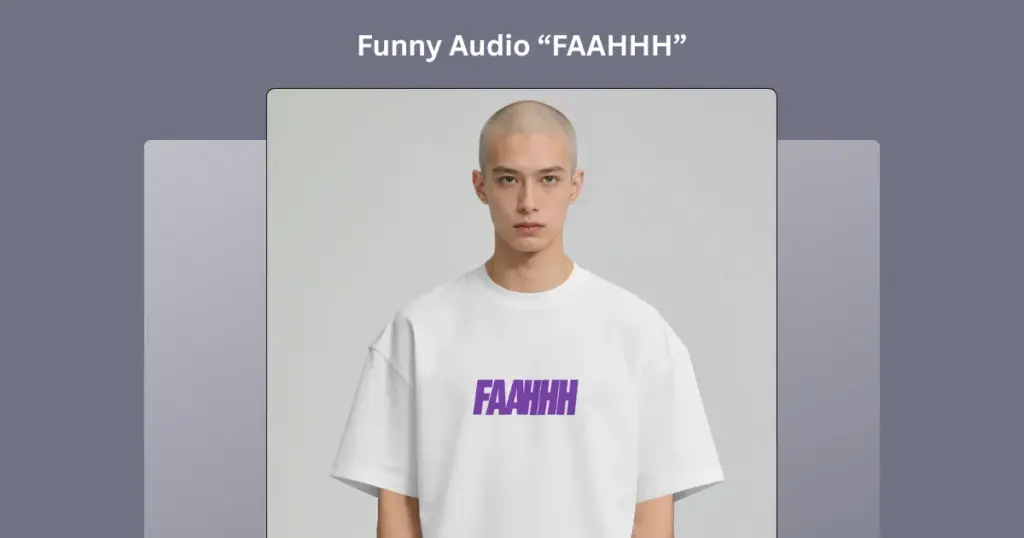
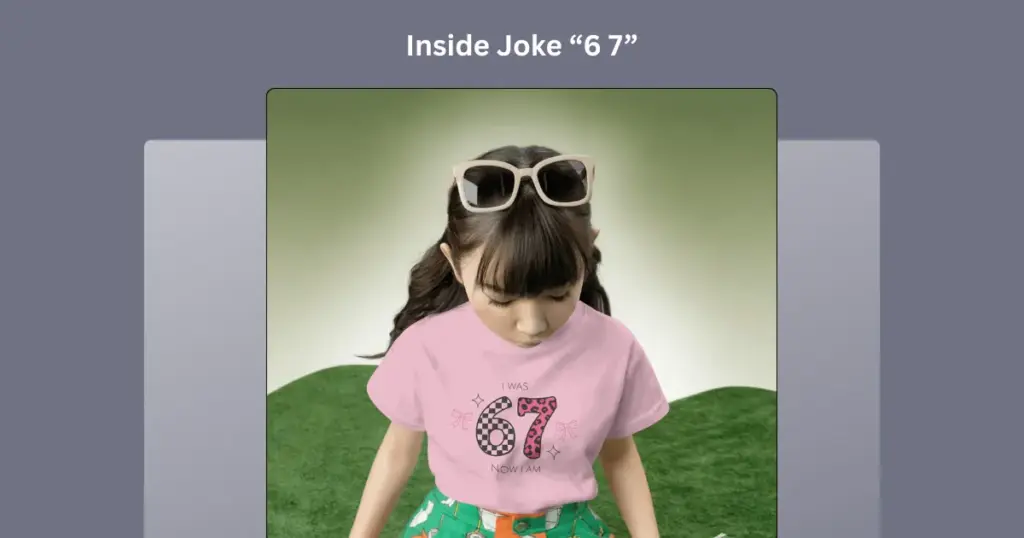
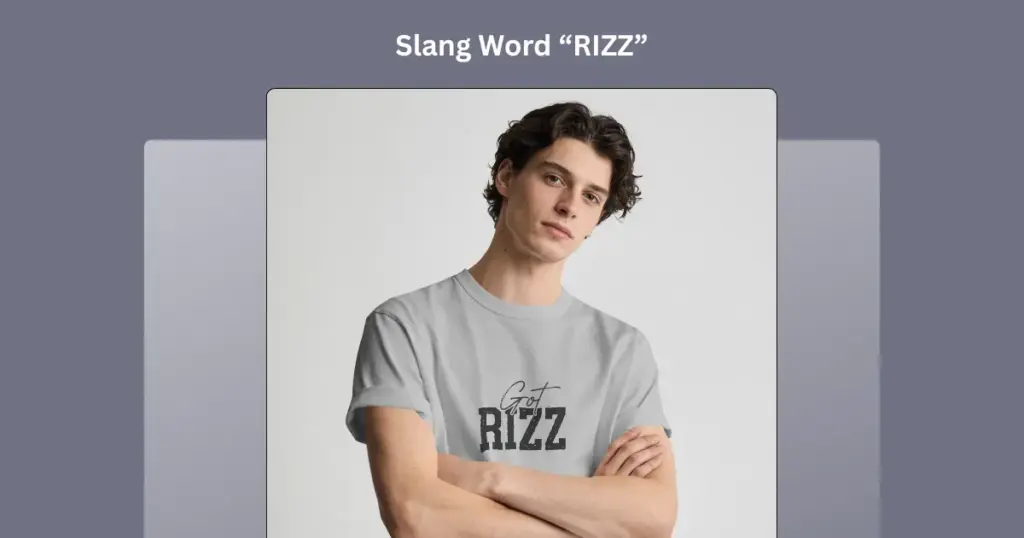
Check the Trending Sounds every week. If you see a new funny sound, slang word, or inside joke becoming popular, it could be a good idea for a new design.
Funny Audio
Inside Joke
Slang Words
If you want to create particular T-shirt design for print-on-demand, you can check out our detailed blog.
2. Predictions of Pinterest
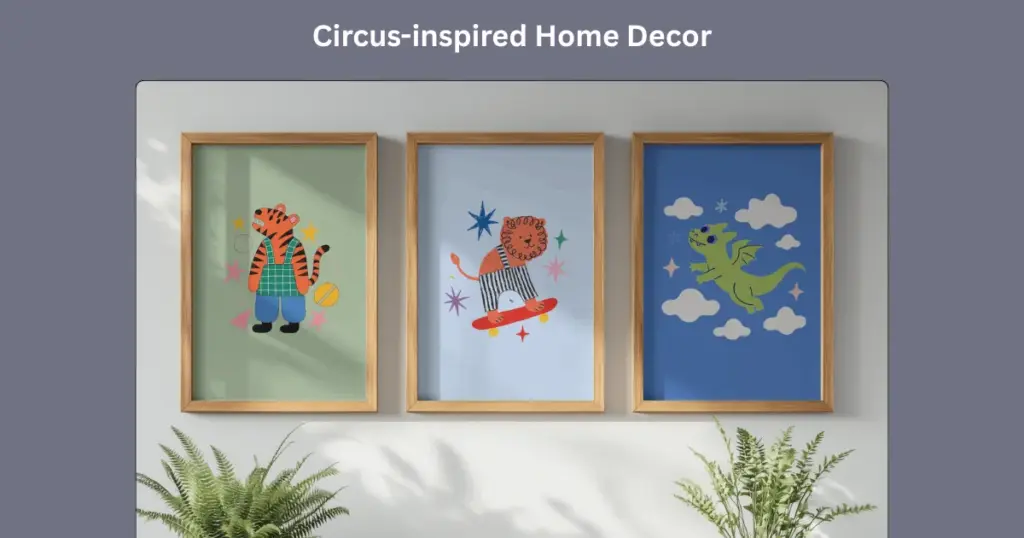
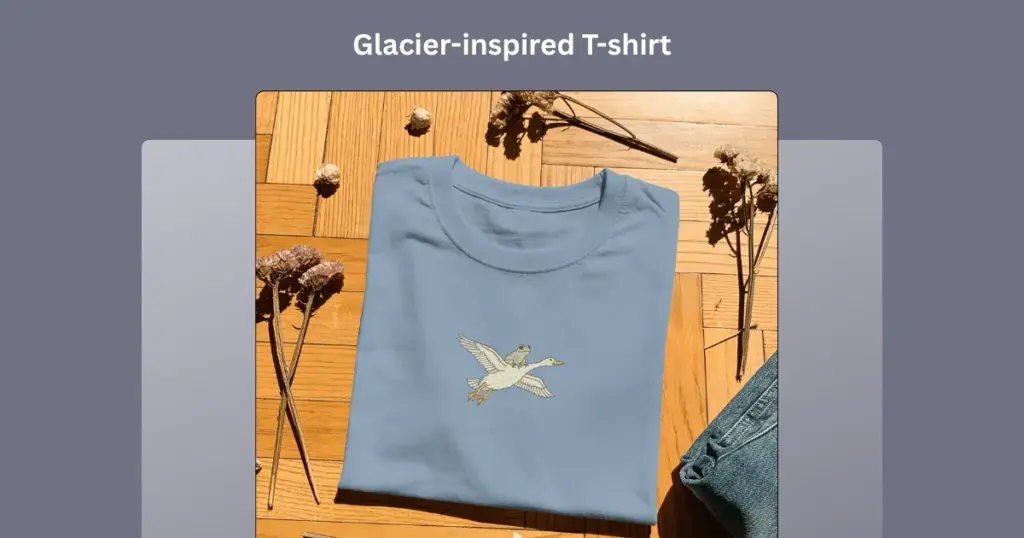
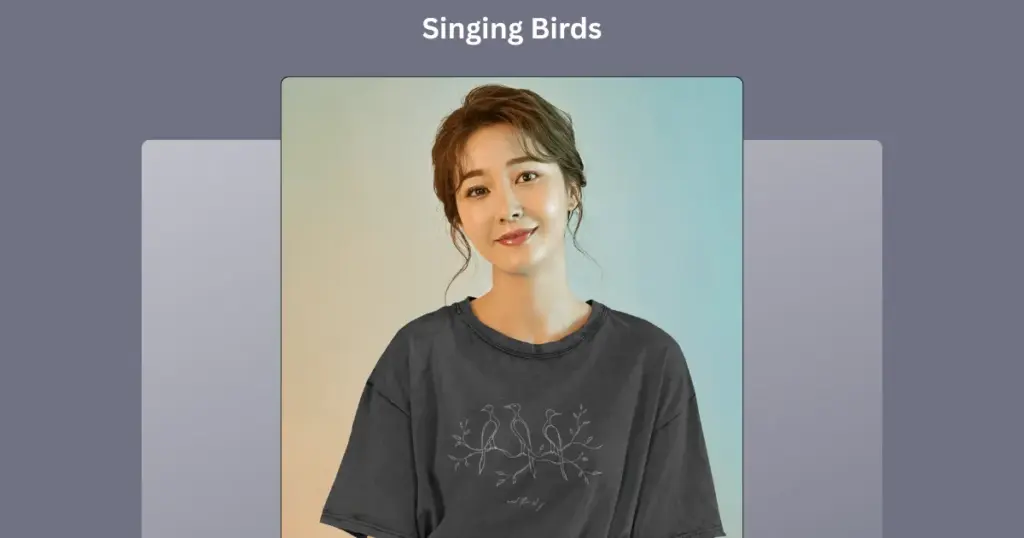
Pinterest Predicts looks at what people are searching for and uses that data to guess what styles may become popular next. For example:
Circus-inspired Home Decor
Glacier-inspired T-shirt
Singing Birds
Thank you, Adrian Vonarx, for these ideas.
3. Memes on Subreddit
Look at small memes on Reddit and hobby communities. Find jokes that people really enjoy and share. If a joke gets lots of attention, it could be a good idea for a t-shirt.
Step 2: Check the Legal Risks
Before you start designing, check if your phrase is already trademarked. If it is, you could get into trouble or even lose your store.
1. Verify Trademark Status
If you are selling in the US, search your phrase in the official USPTO Trademark Search tool.
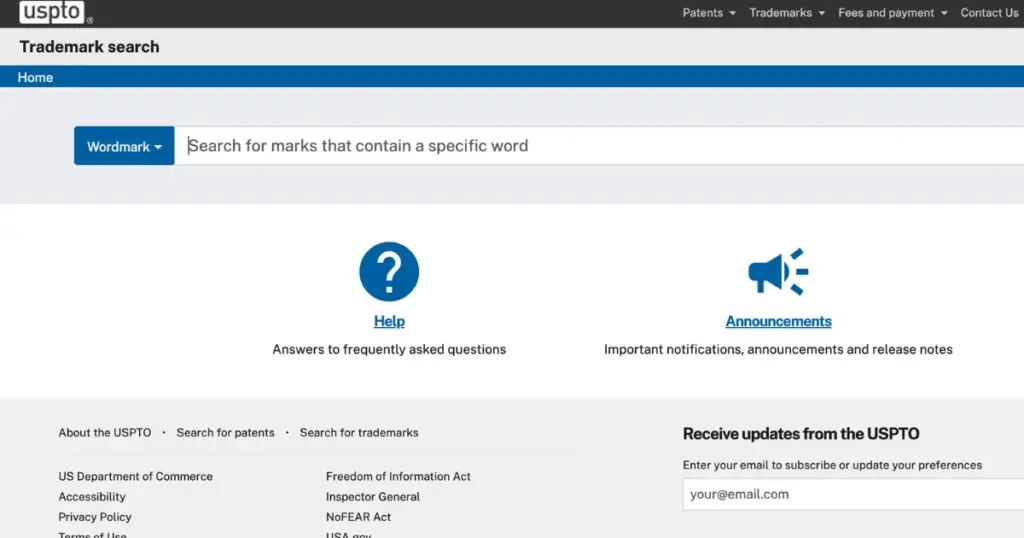
If someone has already registered the phrase for clothes (Class 25) or posters (Class 16), it is better not to use it.
2. Review Copyright Restrictions
Don’t use celebrity names, movie lines, or song lyrics in your designs, even if they are popular.
Step 3: Prepare Your 300 DPI PNG
There are two methods: text-based design and blank canvas. We’ll explain both methods. The first one is Mockey’s AI Design.
1. Mockey’s AI Design
This tool has no trouble with text. It can spell words correctly or ensure accurate spacing. Even if you give it a simple joke, the words come out perfectly.
To create designs for print on demand:
- Visit Mockey AI
- Create your account
- Go to AI Studio
- Look for “Design”.
- Type your prompt.
- Select style (Minimal, bold, retro, playful, and luxury)
- Click Generate.
- Tap Download to save it.
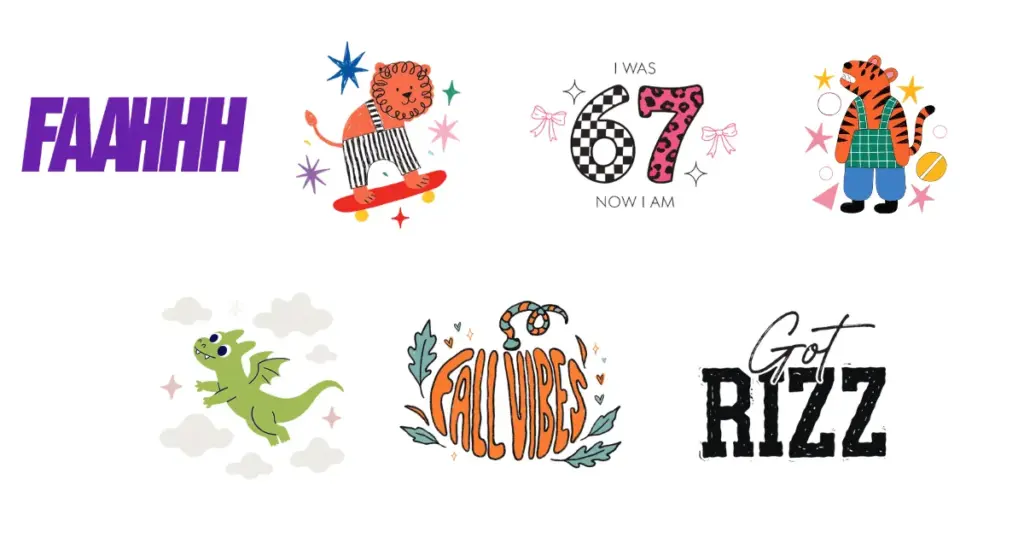
These are the design examples of Mockey we showed you with products.
2. Canva
Use Canva or sites like Canva to create your design file.
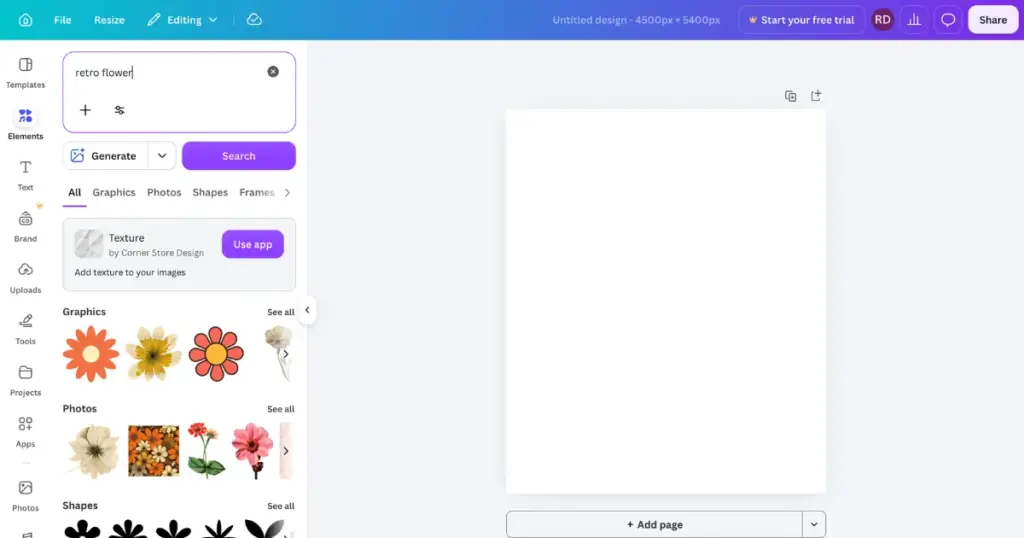
- Create a new project with a size of 4500 × 5400 pixels.
- Add your text, images, and graphics.
- Before exporting, make your background transparent.
- Download your design as a PNG.
Step 4: Select Your Print Partner
You need a POD supplier to make and ship your products when someone places an order. For example, Printify.
Step 5: Create Mockups for Your Products
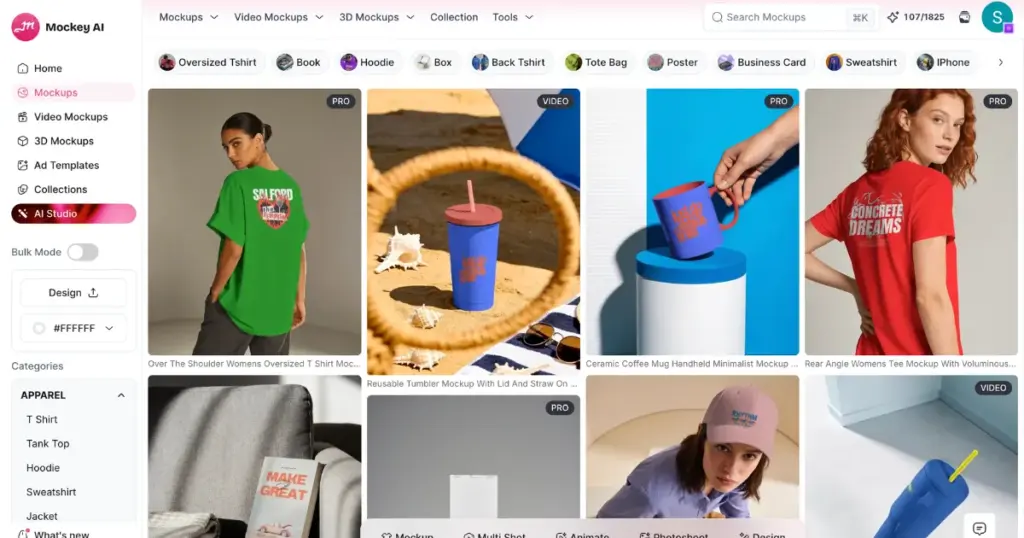
Printify and Printful can create a basic product preview once you upload your PNG. For a more distinctive look, you want lifestyle mockups that show the product in a real-world scene.
- Use the best mockup generator like Mockey AI.
- Choose from more than 60 products.
- Put your design on a real model or simple product photos that look like the style your customers like.
- Download these mockups and use them as the main photos for your store.
- Save the image as a PNG even on the free plan without a watermark.
Step 6: Set Your Price and Go Live
Connect your printing partner to your Shopify or Etsy store. You can do this easily with their app in just one click.
1. Optimize Your Product Title
Think about what people would type into Google or Etsy to find this trend.
2. Set a Profitable Price
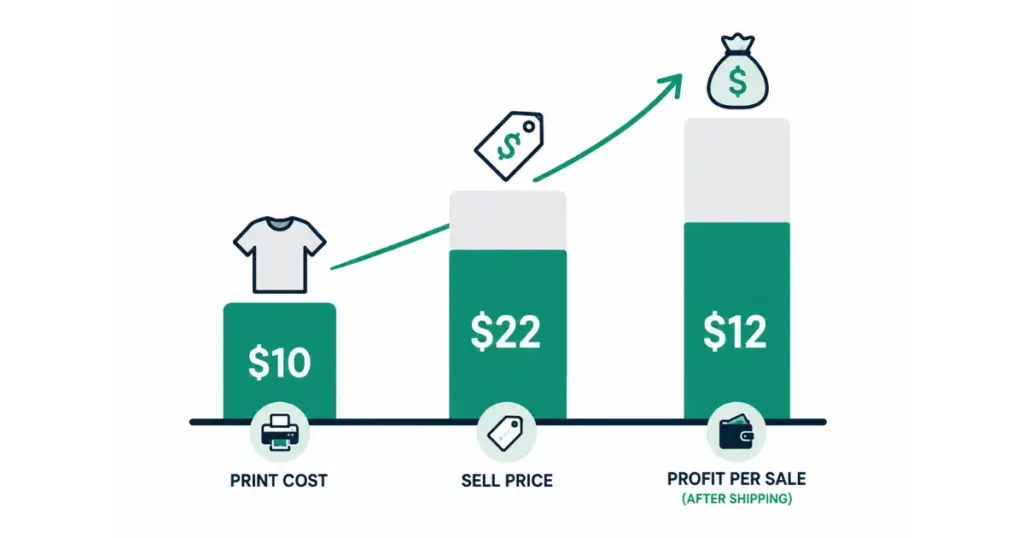
Don’t try to be the cheapest seller. Make sure you earn a good profit. For example, if a t-shirt costs you $10 to make, you can sell it for $22. This can leave you with $12 or more from each sale after shipping.
Ready to Launch Your Design?
You understand how to create designs for print on demand.
Remember to look at TikTok, Reddit communities, and Pinterest where trends begin.
Use Mockey’s text-based design tool or a proper design canvas in Canva, Kittl, or a similar tool. For apparel, work at 4500 × 5400 pixels and 300 DPI.
Try retro lettering, unusual color combinations, or distressed textures.
Search the USPTO trademark database before putting phrases or names on products. Stay away from copyrighted artwork, celebrity names, movie quotes, and other protected material unless you have the necessary rights.
FAQs
Is it okay to use Pinterest graphics or Google images for my designs?
Using an image from Google or Pinterest doesn’t mean you have permission. A small edit won’t remove the original creator’s rights either. Use artwork that comes with a commercial license.
Why do the colors look dull instead of bright when I print my design?
Screen colors differ from fabric colors. Your monitor uses RGB light, while textile printing relies on physical inks.
How does it look if the background is not transparent?
A white background in your design file can cause a problem when it goes to print. You end up with a white block behind the artwork. Export the file with a transparent background if you want those areas to remain the fabric color.
What is the ideal size of the graphic on a t-shirt?
Don’t push the artwork right up to the edges of a 4500 × 5400 px canvas. It can end up looking oversized once it’s printed on a shirt. Keep the text and graphics around the upper-middle area.

Sangram Sahoo
I’m a content writer with 4 years of experience. I specialize in creating practical content around mockups, print-on-demand, apparel, and e-commerce design.