Can You Sell AI Generated Art, Find if it’s Legal?
AI-generated art uses artificial intelligence tools like machine learning, models, and computer vision that create new images.
These models learn from large collections of prompts and images and can then create new and unique artwork.
Copyright protects original and creative AI-generated art. This rule does not apply to all situations, however.
If you utilize an AI model to make something new from a copyrighted work, you might need to get approval from the original copyright owner before you can sell it.
Table of Contents
Can You Sell AI Generated Art?
Yes, you can sell AI generated art just like traditional art. There’s an expanding market for AI-generated art, with some portions selling for high prices. Here are some famous styles of AI-generated art that you can sell online.
1. Pop Art
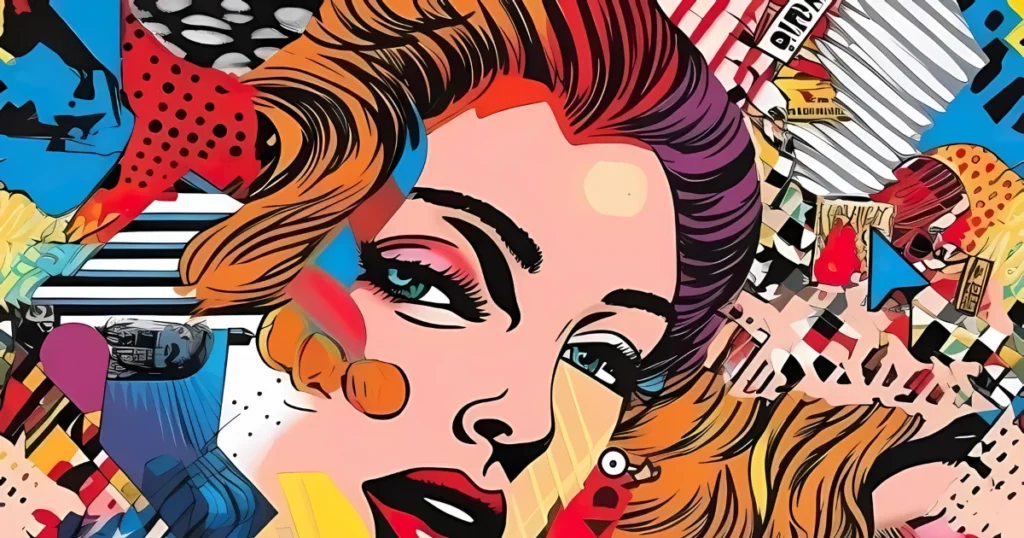
This style uses everyday objects and popular culture as subjects, often featuring strong graphic designs and bright colors.
2. Abstract Art
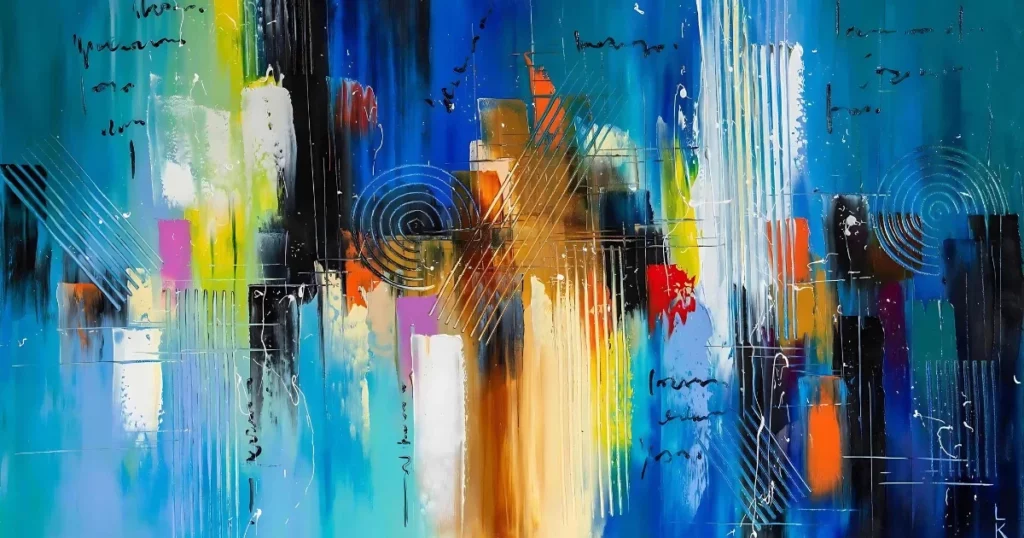
This style uses color, form, and line to make abstract images that focus on refined aesthetic presentation.
3. Cubism Art
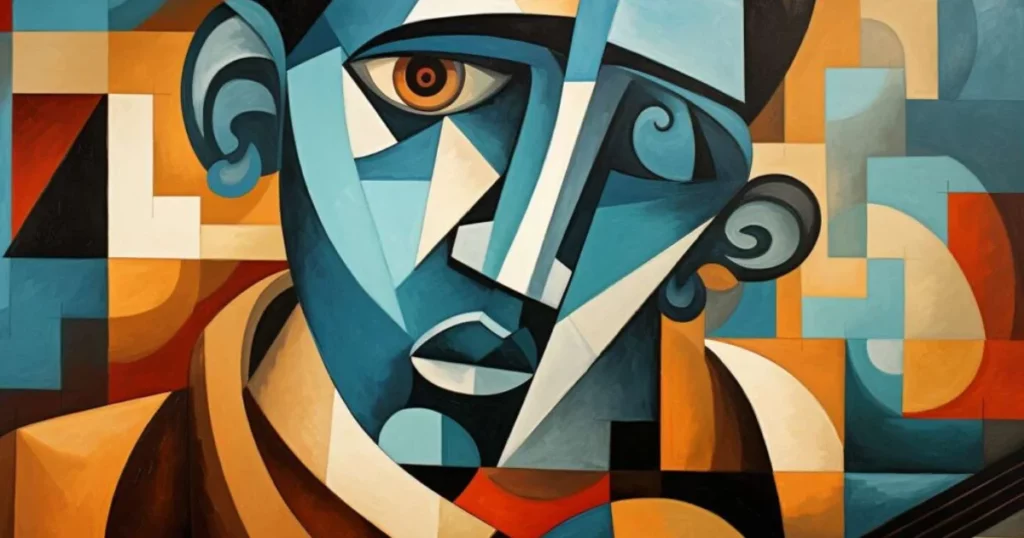
This style uses geometric shapes to show a subject from different angles, often making the image look abstract and broken up.
4. Realism Art
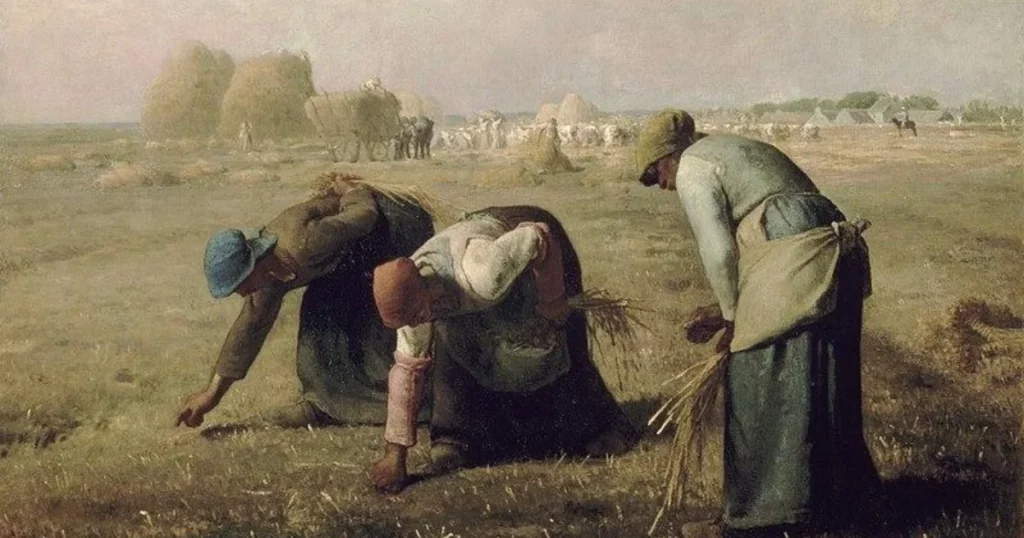
This style shows subjects just as they look in real life, without making them look better or different.
5. Expressionism Art
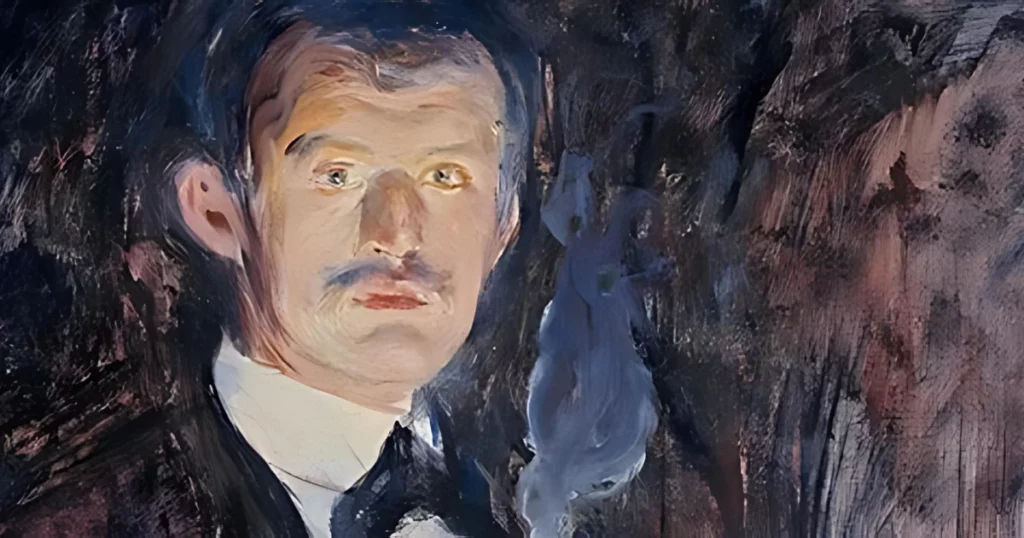
This style shows how an artist personally feels about a subject, using bright colors and unusual shapes.
How to Sell AI Art Online?
To sell AI art online, you can follow these steps:
- Niche-search the market
- Ensure compliance with legal requirements
- Context and inspiration behind your AI art
- Use Etsy, Redbubble, or SuperRare to reach your target audience
- Make sure your mockups and descriptions are high-quality
- Tags and keywords that are relevant for search engines
- Promote your AI art to potential buyers
Selling AI-generated Art: Key Takeaways
You can usually use AI art legally but consider these things.
- Copyright: Copyright protects original and creative AI-generated art. This means you can’t copy or change existing copyrighted creations without getting permission from the owner.
- Fair use: Sometimes, you can use AI-generated art without getting permission if it falls under fair use. Fair use lets you use copyrighted material in limited ways without permission.
- Usage rules: Typically, you must agree to the terms of service of an AI art generator before using it. These rules might limit how you can use the art you create.
AI Art for Commercial Use
AI art is a form of creative expression that uses artificial intelligence to generate or enhance images, sounds, texts, or other media. AI art can be used for commercial purposes, but there are some legal and ethical issues to consider. Some possible issues are:
- The ownership and authorship
- The infringement and fair use
- The consent and attribution
Easy Ways to Make Money From AI Artwork
If you love AI art and have the talent to make amazing visuals, there are many ways you can make money from your talent. Check out some effective methods to think about:
1. Sell AI Art Prints and Digital Copies
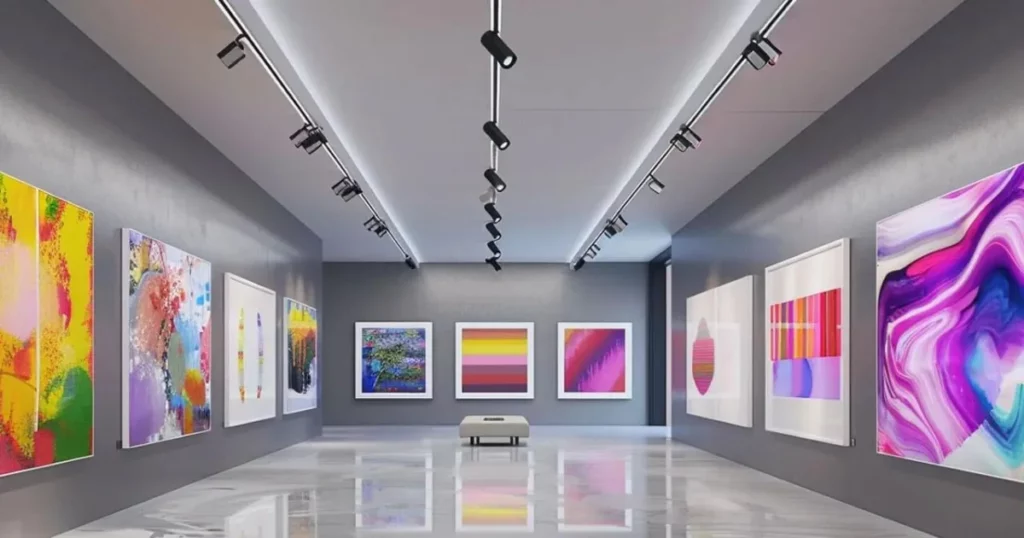
Display your AI artwork on websites like Artstation, Etsy or your site. Offer prints and digital versions to art lovers, interior designers, and collectors.
2. Create and Sell AI Art Products
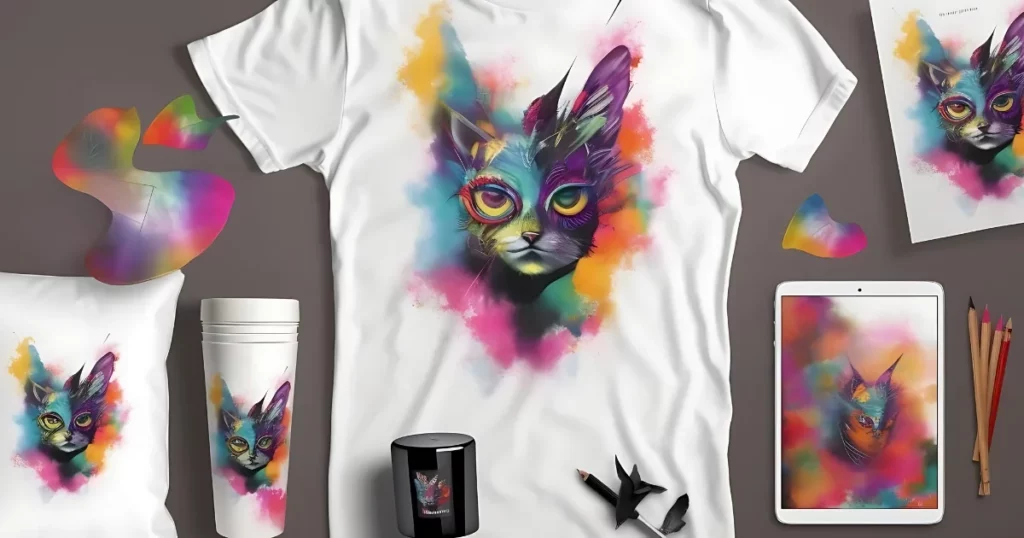
Grow your audience by creating and selling products with your art. Turn your art into items like t-shirts, phone cases, mugs and wall art. Use print-on-demand services for easy production and delivery.
3. Provide Commissions for AI Art
Level up your skills by offering custom AI-generated art commissions. Work with clients to make personalized artwork that matches their needs. It’s a great opportunity for artists who like working on special projects and want to earn more.
4. Get a Commercial License for Your AI Art
You can sell AI generated art for use in things like ads, marketing, or product design. Work with companies or design firms to display your art in different ways, reaching more people and making money.
5. Organize Online Courses or Workshops in AI Art
Teach AI-generated art workshops or online courses to share your expertise. Help new artists learn to create and modify AI-generated art, earning money while supporting the community’s growth.
6. Generate and Market Your AI-generated Artwork as NFTs
NFTs are special digital items that can’t be copied, making them valuable for selling AI-made art. You can make and sell these on sites like Rarible or OpenSea. You can check out top NFT artists to learn about their art.
AI Generated Art Marketplace
AI-created art is available for purchase on NFT marketplaces, new social media platforms, print-on-demand sites and other channels. These are the main places to buy and sell AI artworks.
1. NFT Platforms
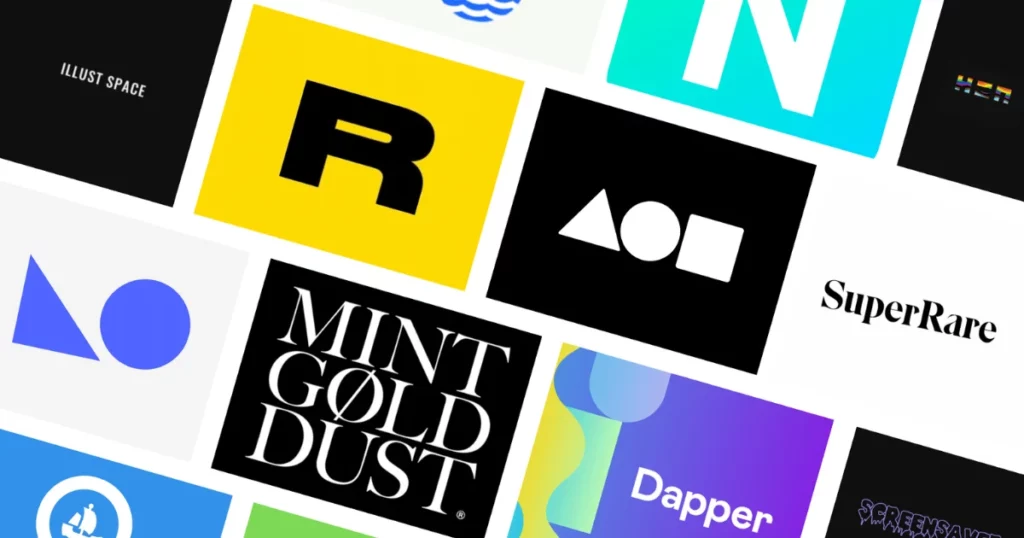
Leading platforms such as Nifty Gateway and OpenSea have seen record sales of AI-generated artworks as non-fungible tokens (NFTs). These tokens allow ownership of unique AI art pieces. Other growing marketplaces like Rarible and Foundation are also becoming popular in this field.
2. Specialized NFT Platforms for AI Art
Specialized NFT platforms for AI art are emerging. Examples include AiArtNFT and Neura. These platforms foster communities of artists combining human creativity with AI, prioritize ethical practices and trust, and ensure artwork authenticity.
For example, AiArtNFT offers tools for artists to securely link their identities to NFTs. Neura focuses on sustainable creation and environmental responsibility.
3. Open Online Store for AI Art
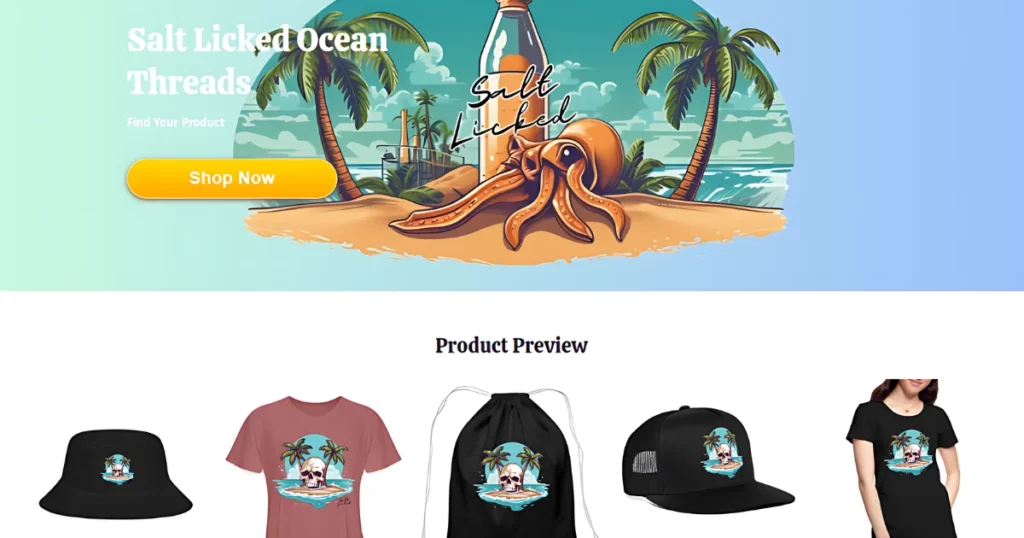
Set up your own online store for AI-generated art. Sell your creations and build your brand effortlessly. AI helps you make art and also creates and manages your online store.
4. AI Art Print-on-Demand Services
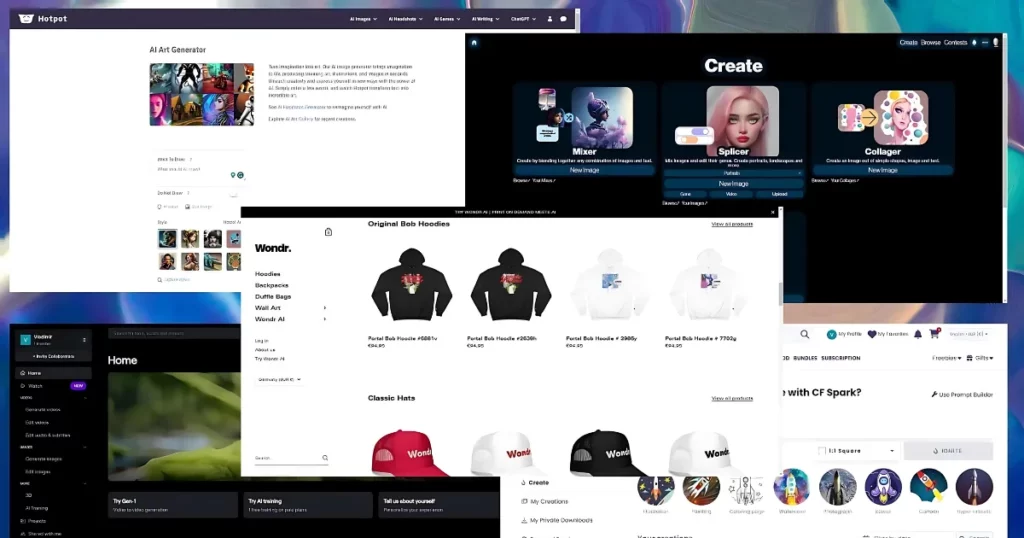
Physical AI arts can be easily sold using print-on-demand services. These platforms allow artists to upload their generated images for printing on items like clothing and phone cases. It’s a simpler way to sell AI generated art compared to NFT marketplaces.
Many AI artists use these services to offer affordable merchandise showcasing their digital designs.
5. Social Media Platforms
Having active social media followers is really important for getting people interested in an AI artist’s NFT releases and print-on-demand products. Building a community connection helps turn fans into customers.
Can You Sell AI Generated Art as NFT?
Can you sell AI generated art as NFT? In AI-generated art, AI software is used to create digital art. Using NFTs, you can sell AI generated art as blockchain-based tokens. NightCafe Creator, SuperRare, and OpenSea all offer NFT minted, bought and sold. A person should consider the ethical and legal implications of using someone else’s images, styles, or texts as inputs for AI software before selling the art as NFTs.
Can You Sell AI Generated Art on Redbubble?
Can you sell AI generated art on Redbubble? Yes, you can sell AI generated art on Redbubble. Redbubble allows artists to upload their designs and sell them on various products, such as t-shirts, stickers, posters, etc. As long as you have the right to use the images, you can sell AI art on Redbubble as long as you do not violate their terms. Also, make sure your images on Redbubble are high resolution, 7632×6480 pixels.
To Conclude
In conclusion, the question “Can you sell AI generated art?” is no longer a matter of speculation but a tangible reality. Computer algorithms can create remarkable artworks that evoke emotions and capture audiences with the advancement of AI.
AI-generated art will undoubtedly remain an intriguing and prominent aspect of the art world as technology continues to evolve.
FAQs
Can you sell Midjourney art?
Can I sell MidJourney art? Not 100%. You can only use the AI art for your personal use, and you must give credit to the Midjourney if you are using it for free. The generated photos cannot be sold, nor can you make a profit from them.
Can you sell AI art on Etsy?
Yes, you can sell AI art on Etsy. AI art is a new art form that uses artificial intelligence algorithms to generate images.
MidJourney or Dall-E, which is better?
In comparison to Dall-E, MidJourney generates images with better clarity and precision.
What is the best AI art generator?
10 Best AI Art Generators:
1. DALL-E 2
2. NightCafe
3. Images.ai
4. Dream by WOMBO
5. MidJourney
6. Craiyon
7. Fotor
8. MyHeritage
9. Photosonic
10. Pixray
Where to sell AI art?
6 best sites to sell AI art are:
Etsy
Redbubble
Society6
Saatchi Art
Artstation
Zazzle
Can You Sell AI Generated Art on Etsy?
Can I sell ai generated art on Etsy? Yes, the best platform for selling AI-generated art is Etsy. This awesome thing lets artists put their artwork online and decide how much they want to sell it for. It’s super easy for them to make money from their creative stuff! They can also make their shop page look really cool and handle all the orders and customer stuff right on the same website.
Can you use AI generated art commercially?
You can use AI-generated art for commercial purposes, but it’s important to ensure you have the proper rights and permissions to use it. Understand any legal or ethical concerns surrounding AI-generated content.
Can I Sell AI-Generated Art?
You can sell AI generated art, but make sure you’re clear about how it was made. Get the right permissions, and think about the ethics of selling art created by AI.
Is It Legal to Sell AI Generated Art?
Selling AI-generated art is usually okay, but there are rules to follow:
1. The artist must own any copyrights used to train the AI.
2. Platforms like Etsy and Redbubble have their own policies on selling AI art.

Sangram Sahoo
I’m a content writer with 4 years of experience. I specialize in creating practical content around mockups, print-on-demand, apparel, and e-commerce design.